Halloween safety by age starts with one idea: the rules for a two-year-old are not the rules for a thirteen-year-old. What keeps a toddler safe is very different from what a teen needs.
Halloween falls on a Saturday this year, so expect big crowds in Austin neighborhoods. This guide breaks down what to do for each age, from toddlers to adults.
Table of Contents
Quick Answer: Halloween Safety by Age
Babies and toddlers need close adult supervision, safe costumes, and no choking hazards. Children under 12 should not be out alone at night. Tweens and teens should stay in groups, in well-lit areas, on an approved route, with phones put away while crossing. Adults and drivers should slow down and watch for kids, especially from 5:30 p.m. to 9:30 p.m.
Halloween Safety by Age at a Glance
| Age group | Biggest risk | Top rule |
|---|---|---|
| Babies and toddlers | Tripping, choking, being overwhelmed | Stay by their side, skip hard candy, and leave early if they are done |
| Young kids and tweens (under 12) | Traffic, dark clothing | A responsible adult goes along, and costumes have reflective tape |
| Teens | Distraction, unplanned routes | Go in a group, plan the route, and put phones away when crossing |
| Adults and drivers | Not seeing kids in the street | Slow down, drive without distractions, and watch driveways |
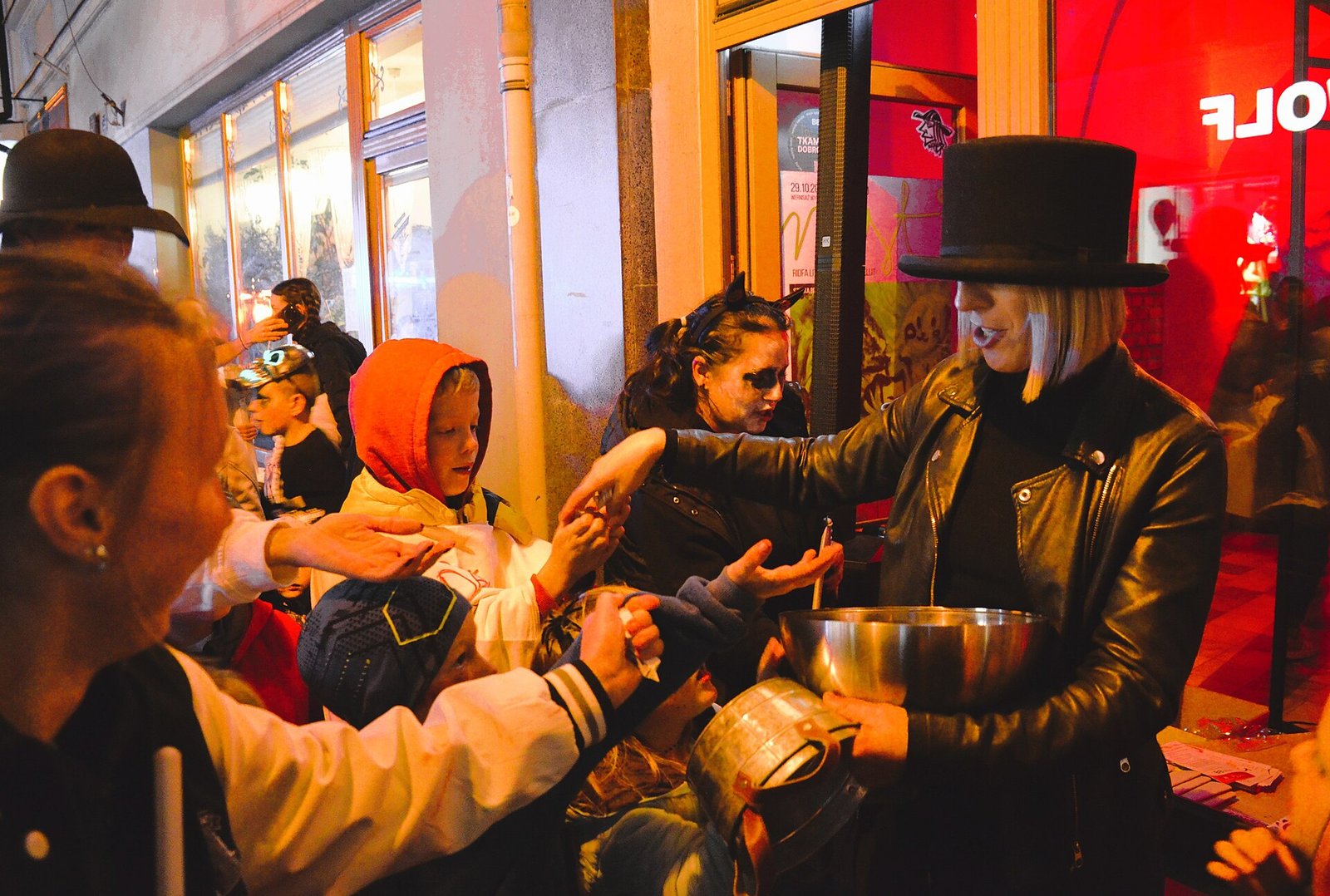
Halloween Safety for Babies and Toddlers
Little ones love the costumes. They do not always love the noise, the dark, or the stranger at the door.
Plan a Short, Early Night
The American Academy of Pediatrics suggests trick-or-treating before dark, which also helps protect bedtime. Be ready to head home early after a scary house, a fall, or a tantrum. Your child can hand out candy at home instead.
Pick a Costume They Can Move In
Choose a costume that is not too long or bulky. Skip swords, canes, and sticks. Your child should be able to see, breathe, walk, and move their arms, and nothing should cover their face.
Pack a backup outfit too, just in case.
Watch for Choking Hazards
The AAP says to keep hard candy, popcorn, gum, small or gummy candies, nuts, and pumpkin seeds away from babies and toddlers. Do not let them eat while walking.
Stickers, crayons, bubbles, and playdough make good non-food treats.
Halloween Safety for Young Kids and Tweens
This is the age group where “I can go with my friends” starts coming up. The safe answer depends on age.
Keep an Adult With Them
Safe Kids Worldwide says children under 12 should not be out alone at night without adult supervision. The National Safety Council adds that older children going alone should follow a route a parent has planned and approved, and agree on a time to be home.
Why so strict? The NSC says children are more than twice as likely to be hit by a car and killed on Halloween than on any other day of the year.
Teach the Street Rules
- Cross only at corners and crosswalks
- Look left, right, and left again
- Make eye contact with drivers before crossing in front of them
- Walk between houses instead of running
- Never cut between parked cars
- Use sidewalks, or walk facing traffic on the far edge if there are none
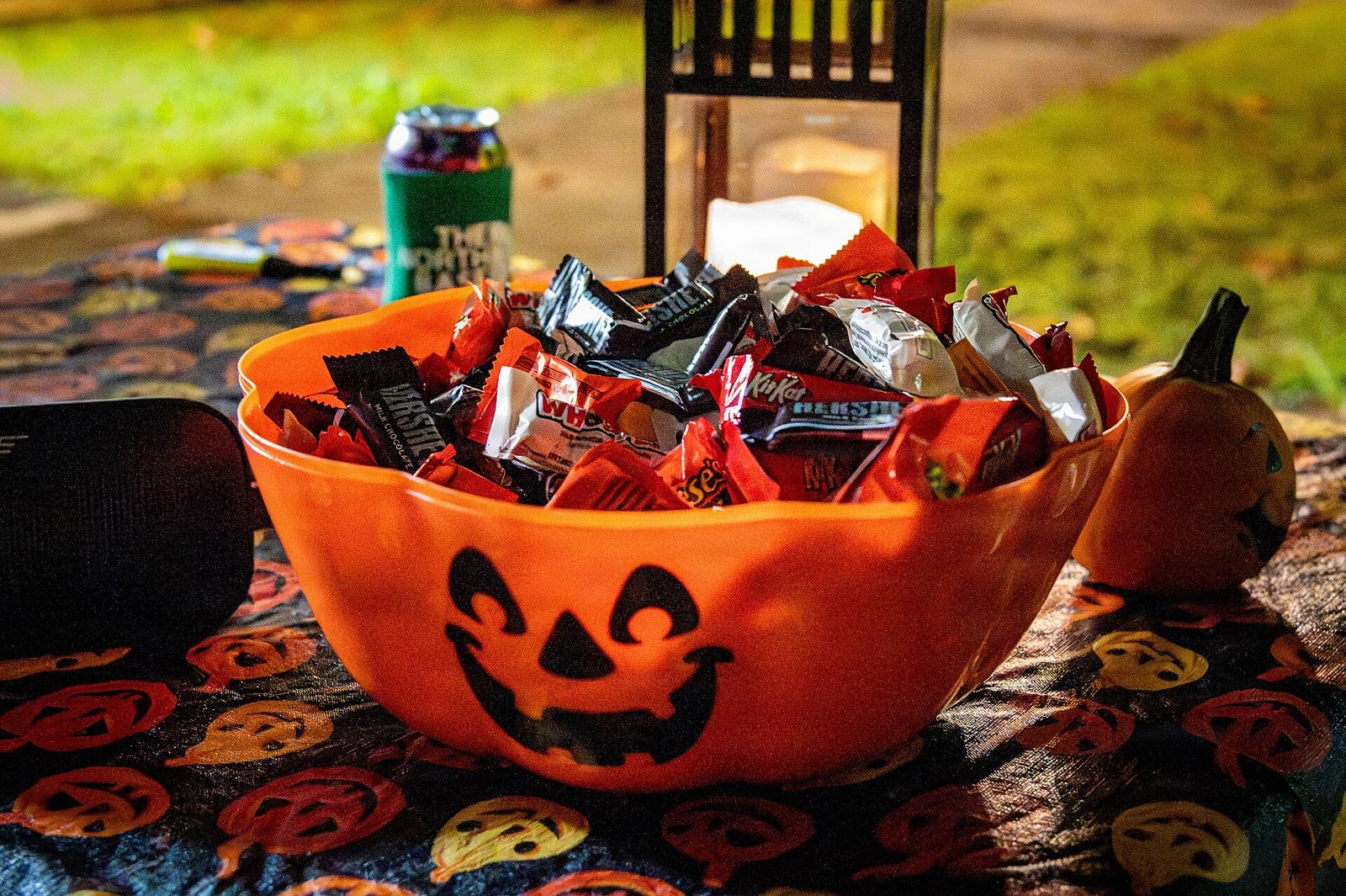
Be Seen After Dark
Add reflective tape to costumes and candy bags. Carry a flashlight or glow sticks. The CDC says kids should not chew glow sticks, because the liquid can irritate the mouth and throat, so a flashlight is the better pick.
Face paint beats a mask, since masks can block vision. Test paint on a small patch of skin first and wash it off before bed.
Halloween Safety for Teens
Teens often want freedom, and that is fair. A few rules keep that freedom safe.
- Go in a group. Stay in familiar, well-lit areas.
- Share the plan. Tell a parent the route and the time you will be home.
- Put the phone away. Safe Kids says to keep your head up and your device out of sight while crossing.
- Skip decorative contacts. The CDC warns that decorative lenses without a prescription can scratch or ulcerate the eye and risk vision loss.
- Never get into a stranger’s car or home.
New drivers need a plan too. The NSC discourages new or inexperienced drivers from driving on Halloween night, when streets are crowded with kids.
Halloween Safety for Adults and Drivers
Adults set the tone for the night. That means parents, homeowners, and anyone behind the wheel.
If You Are Driving
Safe Kids says to drive slowly, expect heavy foot traffic, and turn headlights on early. Watch closely at intersections, medians, and curbs, and enter and exit driveways and alleys slowly.
Put your phone down. The busiest window is 5:30 p.m. to 9:30 p.m.
If You Are Handing Out Candy
Light your porch and clear your walkway of cords, hoses, and decorations that could cause a trip. Keep pets away from the door.
The CDC also says to keep medicines and vitamins up and out of sight, so kids do not mistake them for candy.
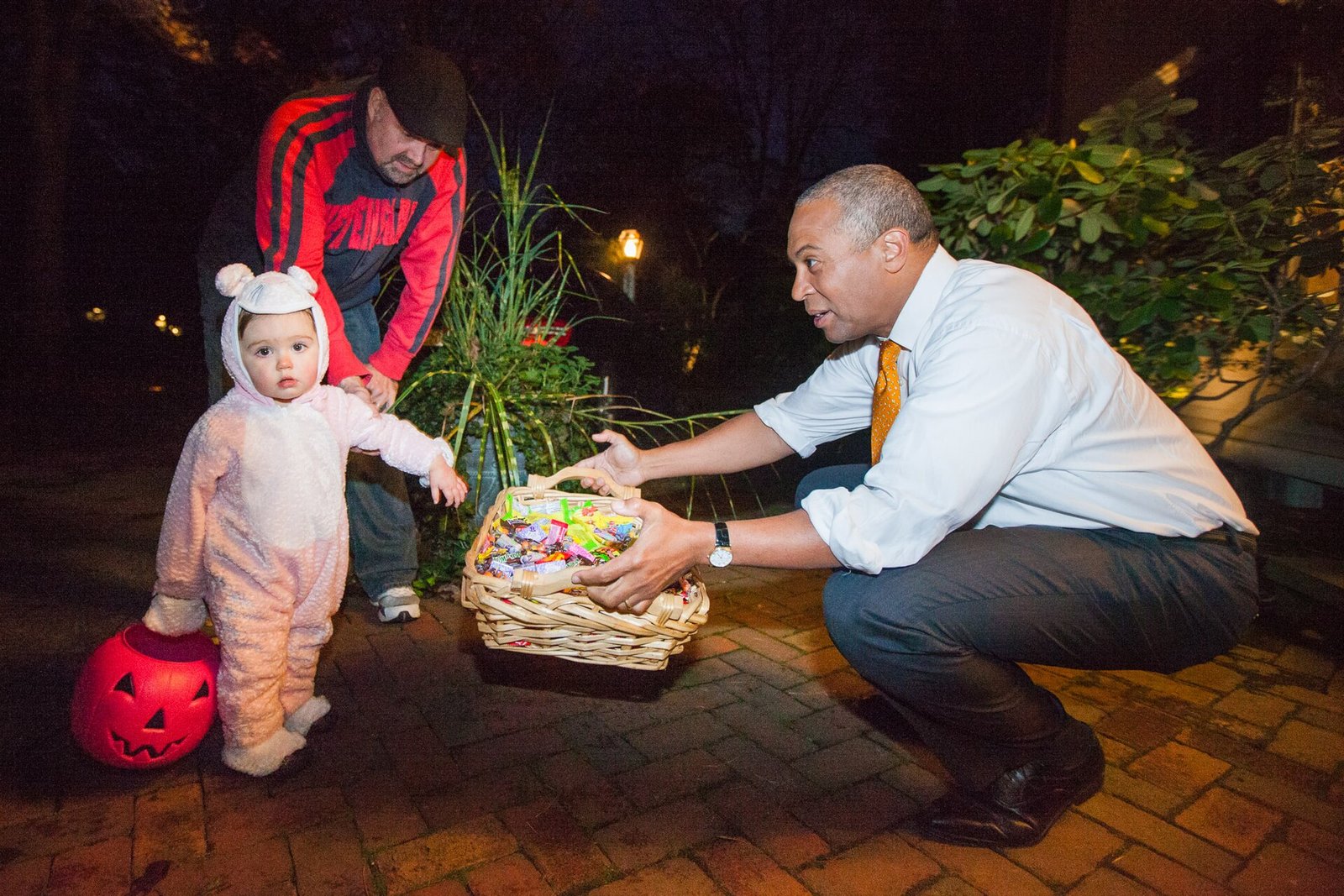
Candy and Food Allergy Safety for Every Age
Candy is part of Halloween safety by age too, since the risks range from choking to allergic reactions.
- Accept only sealed, factory-wrapped treats. Throw away anything you are unsure about.
- Wait to eat until you are home and can check the labels.
- Read every label, even on candy your child has eaten before. Food Allergy Research & Education says fun-size candy may have different ingredients than the full-size version.
- Carry prescribed epinephrine, and never let a child with a food allergy trick-or-treat alone.
A teal pumpkin on a porch means that house offers non-food treats. It is an easy way to include more kids.
When to Go to the ER After Halloween Fun
Most nights of trick-or-treating end with nothing worse than a sugar crash, but good Halloween safety by age planning still matters. Some problems cannot wait, though.
Get emergency care for:
- Allergic reactions: trouble breathing or swallowing, hoarseness, swelling of the lips or tongue, or dizziness. The AAP says to go to the ER even if symptoms seem to stop after epinephrine.
- Choking that does not clear. Call 911.
- Eye pain or vision changes after wearing decorative contacts or getting face paint in the eye.
- Deep cuts from props, pumpkin carving, or falls. See our page on laceration treatment in Austin.
- Possible broken bones after a trip or fall. Our guide on broken bone or bad bruise can help you decide.
- Possible poisoning, such as a child who swallowed medicine.
Not sure where to go? Read ER vs urgent care in Austin. For how we care for kids, see our children’s ER services and how we handle pediatric emergencies differently.
Halloween Safety by Age: Frequently Asked Questions
What age can kids trick-or-treat alone?
Safe Kids says children under 12 should not be out alone at night. For older kids, a parent should approve the route and set a time to be home.
What is the safest costume for a toddler?
One that fits well, is not too long or bulky, and does not cover the face. Your child should be able to see, breathe, and walk easily.
Is face paint safer than a mask?
Usually, yes. Masks can block vision. Test paint on a small patch of skin first and remove it before bed.
What hours are the most dangerous for trick-or-treaters?
Safe Kids points to 5:30 p.m. to 9:30 p.m. as the peak trick-or-treating hours, so drivers should be extra careful then.
Should I check my child’s candy?
Yes. Accept only sealed, factory-wrapped treats, check labels for allergens, and throw away anything you cannot identify.
What should I do if my child has an allergic reaction?
Use prescribed epinephrine right away and call 911 or get to an emergency room, even if symptoms seem to fade.
Need Care After Dark? We Are Open 24/7
If Halloween night takes a turn, you do not have to wait for morning. Priority Emergency Center is open every hour of every day in Austin. You can find us on our location page or reach out through our contact page.
This article is for general education and is not a substitute for medical advice. In an emergency, call 911.