Austin does not get hard freezes often. That is exactly why they catch so many people off guard.
This guide to winter freeze safety in Austin covers the two dangers that cause the most serious cold-weather emergencies: carbon monoxide poisoning and hypothermia. You will learn the warning signs, what to do right away, and when to head to the ER.
It is October, so you have time. A few small steps now can make the coldest night of the year a lot safer. That is the heart of winter freeze safety in Austin: prepare early, heat your home safely, and know when to get help.
Table of Contents
Why Winter Freeze Safety in Austin Matters
Central Texas has taken several hard hits from winter weather in recent years, and the 2021 storm was the worst of them. Power and water went out for days in many homes.
The Texas Department of State Health Services confirmed 246 deaths linked to Winter Storm Uri across 77 counties. Most of those deaths were tied to hypothermia, and at least 19 came from carbon monoxide poisoning.
Those numbers point to a clear pattern. When the power fails, people grab any heat they can find, and some of those choices turn dangerous fast. Local reporting noted that many of the carbon monoxide deaths came from unsafe ways of heating a home.

Quick Answer: What Are the Main Health Risks in an Austin Freeze?
For winter freeze safety in Austin, the main health risks are carbon monoxide poisoning from unsafe heating, hypothermia from long exposure to cold, frostbite, falls on ice, and fires from space heaters. Carbon monoxide and hypothermia are the two to understand first, because both can turn deadly before you realize anything is wrong.
Carbon Monoxide Risks in Austin Winter Weather
What Is Carbon Monoxide?
Carbon monoxide, or CO, is a gas you cannot see, smell, or taste. It forms when fuel burns. Furnaces, gas stoves, fireplaces, generators, grills, and car engines can all produce it, according to the CDC.
Because your senses give no warning, a working CO alarm is the only way to catch it early.
Common Causes During a Power Outage
Most winter CO emergencies start with a good intention. Someone is just trying to stay warm. These are the usual culprits:
- A generator running in a garage, a basement, or too close to a window
- A charcoal grill or camp stove used indoors
- A gas oven or stovetop used as a heater
- A car left running in an attached garage
- A fireplace or stove that is not vented properly
Generators deserve extra care. The U.S. Consumer Product Safety Commission has warned that about 100 Americans die each year from carbon monoxide poisoning linked to portable generators, and that it can happen within minutes.

Carbon Monoxide Poisoning Symptoms
Early CO poisoning feels a lot like the flu. Watch for these signs:
- Headache
- Dizziness or light-headedness
- Weakness and fatigue
- Nausea or vomiting
- Chest pain
- Confusion
Two clues help. CO does not cause a fever, and several people in the same home often feel sick at the same time. Someone who is asleep can be overcome without ever noticing symptoms.
What to Do If You Suspect Carbon Monoxide Poisoning
- Get everyone, including pets, outside into fresh air right away.
- Call 911 from outside. Do not go back in.
- Tell responders about any generators, heaters, or stoves that were running.
- Get checked at an ER, even if you feel better.
Feeling better in fresh air does not mean the gas is out of your body. CO can strain the heart and brain, so a medical check matters. Our 24/7 emergency and trauma care team can evaluate you at any hour.
How to Prevent Carbon Monoxide Poisoning
These habits are the backbone of winter freeze safety in Austin, and most take only a few minutes:
- Install battery-powered or battery backup CO alarms on every floor and near bedrooms
- Test your alarms every month and change the batteries each year
- Keep generators outside and at least 20 feet from any window, door, or vent, as the CDC advises
- Never heat your home with a gas oven
- Never run a grill or camp stove indoors, even in a garage with the door open
- Have your furnace and gas appliances checked before winter

Hypothermia Risks in Cold Austin Homes and Outdoors
What Is Hypothermia?
Hypothermia happens when your body loses heat faster than it can make it. Your body temperature drops, and your body begins to shut down.
It does not take arctic weather. The CDC explains that it can happen even above 40°F if you get chilled by rain, sweat, or wet clothing.
Many Texas homes are built to beat summer heat, not to hold warmth through a long freeze. When the power goes out, the indoor temperature can drop fast. That is why winter freeze safety in Austin has to cover the inside of your home, not just the road and the yard.
Who Is Most at Risk
- Older adults who lack enough heat, food, or warm clothing
- Babies sleeping in cold bedrooms
- People who spend long hours outdoors, including unhoused neighbors, outdoor workers, and hikers
- People who drink alcohol or use drugs
Hypothermia Symptoms in Adults and Babies
In adults, look for these signs:
- Shivering
- Exhaustion or deep tiredness
- Confusion and memory loss
- Fumbling hands
- Slurred speech
- Drowsiness
In babies, the signs look different:
- Bright red, cold skin
- Very low energy
Confusion and slurred speech can look like intoxication, so never assume someone is just drunk. If you suspect hypothermia, take the person’s temperature. A reading below 95°F is a medical emergency.
What to Do While You Wait for Help
Call 911 first. Then start warming the person up:
- Move them to a warm room or shelter
- Remove any wet clothing
- Warm the center of the body first, meaning the chest, neck, head, and groin
- Wrap them in dry blankets and cover the head and neck
- Offer a warm drink without alcohol, but only if the person is awake and can swallow
A person with severe hypothermia may be unconscious and may not seem to be breathing. Call 911 right away. In some cases, people who look like they have died from the cold have been revived.
A Quick Note on Frostbite
Frostbite can show up along with hypothermia. Look for numb, pale, or waxy skin on the fingers, toes, nose, and ears. Numbness hides pain, so you may not notice it until someone points it out.
Check for hypothermia first, because it is the more serious problem. Avoid walking on frostbitten feet unless you have to, and get medical care.
Winter Freeze Safety in Austin: Prepare Before the Cold Hits
The City of Austin asks residents to follow the four P’s: people, pets, pipes, and plants. The City of Austin winter weather page has the full guidance. Here is the short version.
Use the City’s Four P’s
- People: Dress in layers, limit time outside, and stay home during ice if you can
- Pets: Bring them indoors
- Pipes: Insulate exposed pipes, turn off outside faucets, and drip one faucet slowly if needed
- Plants: Cover them or bring them inside
Build a Simple Freeze Kit
- Flashlights and extra batteries
- Warm blankets and dry clothes
- Bottled water and food that needs no cooking
- A few days of prescription medicines
- Charged power banks for your phones
- A battery-powered CO alarm
If you use an electric space heater, plug it straight into the wall. Keep it at least three feet from anything that can burn, and turn it off when you sleep.
Sign up for alerts through Ready Central Texas and read Austin Energy’s winter tips. When cold weather shelters open, the city posts details on the Cold Weather Shelter Hotline at 512-305-ICEE (4233).
Also check on older neighbors and relatives. A short call or visit can catch a problem early.
When to Go to the ER During an Austin Freeze
For winter freeze safety in Austin, call 911 or go to the nearest ER if you or someone you love has any of these:
- Signs of carbon monoxide poisoning, especially when more than one person is sick
- Confusion, slurred speech, or extreme drowsiness after cold exposure
- A body temperature below 95°F
- Shivering that suddenly stops
- Numb, pale, hard, or blistered skin
- Chest pain or trouble breathing
- A baby who feels cold, looks bright red, or is unusually limp or sleepy
- A fall on ice with severe pain, swelling, or a bent limb
Not sure whether you need an ER or urgent care? Our guide on ER vs urgent care in Austin explains the difference.
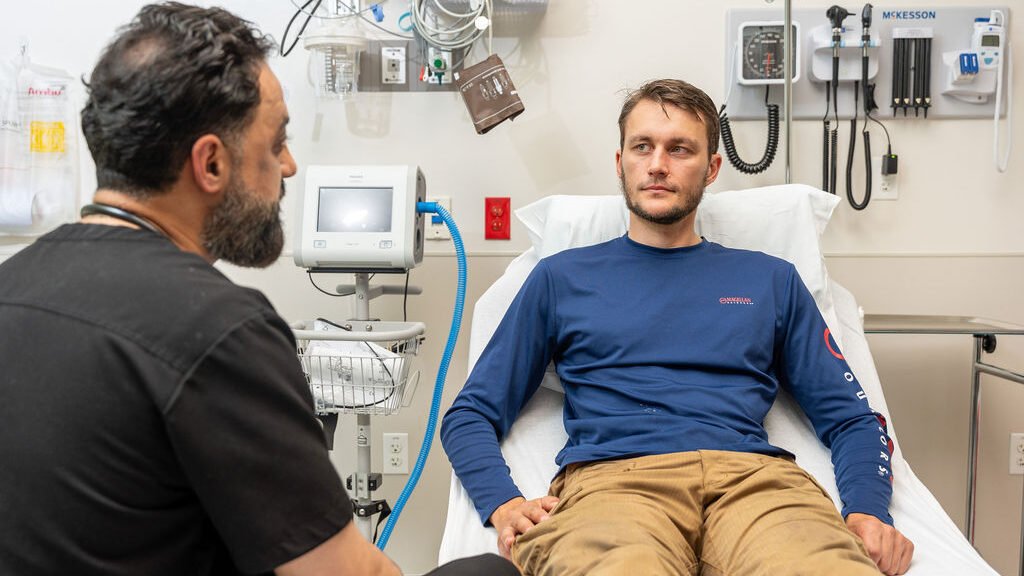
Priority Emergency Center is open 24/7 in Austin. You can use our walk-in ER at any hour, including the nights and holidays when freezes tend to hit.
Parents can read how we handle pediatric emergencies or visit our children’s ER services page. Freeze weeks also overlap with flu season, so our cold, flu, and RSV guide is worth a read.
Frequently Asked Questions About Winter Freeze Safety in Austin
Can I run a generator in my garage if the door is open?
No. Exhaust can still build up to deadly levels and drift into your home. Keep generators outside, at least 20 feet from windows, doors, and vents.
Is it safe to heat my home with a gas oven?
No. The CDC warns against heating a home with a gas oven. Use a safe heater, or stay with friends, family, or at a warming shelter.
How can I tell carbon monoxide poisoning from the flu?
Flu often brings a fever and body aches. CO poisoning does not cause a fever. If several people in the home feel sick at once, or symptoms fade when you leave the house, suspect CO and get outside.
At what temperature does hypothermia start?
Hypothermia means your body temperature has dropped below 95°F. It can happen in air temperatures above 40°F if you are wet or chilled for a long time.
Should I go to the ER for mild cold exposure?
Mild shivering that eases once you warm up usually does not need ER care. Go right away if you have confusion, slurred speech, a low body temperature, numb skin, or any sign of carbon monoxide poisoning.
Stay Warm and Stay Safe
With good winter freeze safety in Austin, a freeze does not have to turn into an emergency. Working CO alarms, safe heating, warm layers, and a plan for the power going out cover most of the risk.
If something feels wrong, trust that feeling and get help. Our team at Priority Emergency Center is here 24/7. You can find us on our location page or reach us through our contact page.
This article is for general education and is not a substitute for medical advice. In an emergency, call 911.