Living with diabetes is more than checking numbers. The link between type 2 diabetes and mental health is strong, and it runs in both directions: stress can push blood sugar around, and high or unstable blood sugar can pull your mood down.
This guide explains how type 2 diabetes can affect your mind, the signs to watch for, simple ways to cope, and when to get help.
Table of Contents
Quick Answer: How Does Type 2 Diabetes Affect Mental Health?
Type 2 diabetes and mental health affect each other. People with diabetes are 2 to 3 times more likely to have depression and about 20% more likely to have anxiety, according to the CDC. Many also feel diabetes distress, a deep tiredness from the daily demands of managing the condition. These problems are common, treatable, and nothing to be ashamed of.
Why Type 2 Diabetes and Mental Health Are Connected
The CDC explains that untreated mental health problems can make diabetes harder to control, and diabetes problems can make mental health worse. When one gets better, the other often improves too.
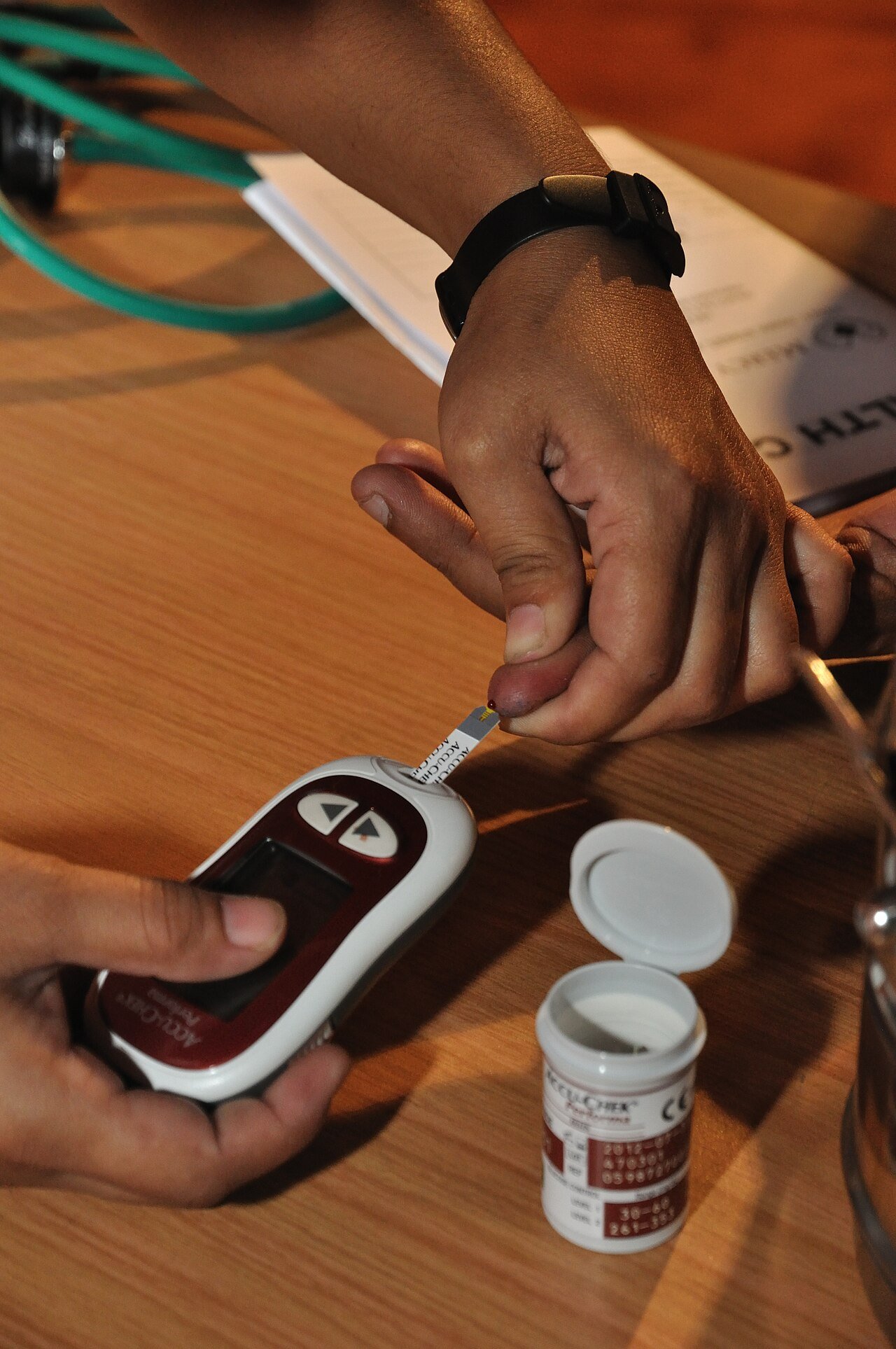
The daily workload plays a big part. Meals, medicines, finger pricks, appointments, and fear of complications can wear anyone down.
A review in the Journal of General Internal Medicine found that about 1 in 5 adults with type 2 diabetes has depression, and almost 1 in 3 has diabetes distress.
6 Ways Type 2 Diabetes Can Affect Your Mental Health
1. Depression
Depression is more than feeling sad for a day. The CDC lists lasting sadness, loss of interest, changes in sleep or appetite, tiredness, trouble concentrating, and hopelessness as common signs.
It is also easy to miss. The CDC says only 25% to 50% of people with diabetes who have depression get diagnosed and treated.
2. Anxiety and Constant Worry
Fear of a low sugar episode, worry about complications, and stress about costs can all feed anxiety. Signs include a racing heart, trembling, sweating, and a feeling that something bad will happen.
Here is a useful tip from the CDC: anxiety can feel like low blood sugar. If you feel anxious or shaky, check your blood sugar first.
3. Diabetes Distress and Burnout
Diabetes distress is a response to the daily demands of the disease. The CDC says that in any 18-month period, 33% to 50% of people with diabetes have it.
The CDC describes burnout as feeling worn out by management. It can look like skipping checks, avoiding insulin, or guessing doses. It does not mean you have stopped caring about your health.
4. Stress That Swings Your Blood Sugar
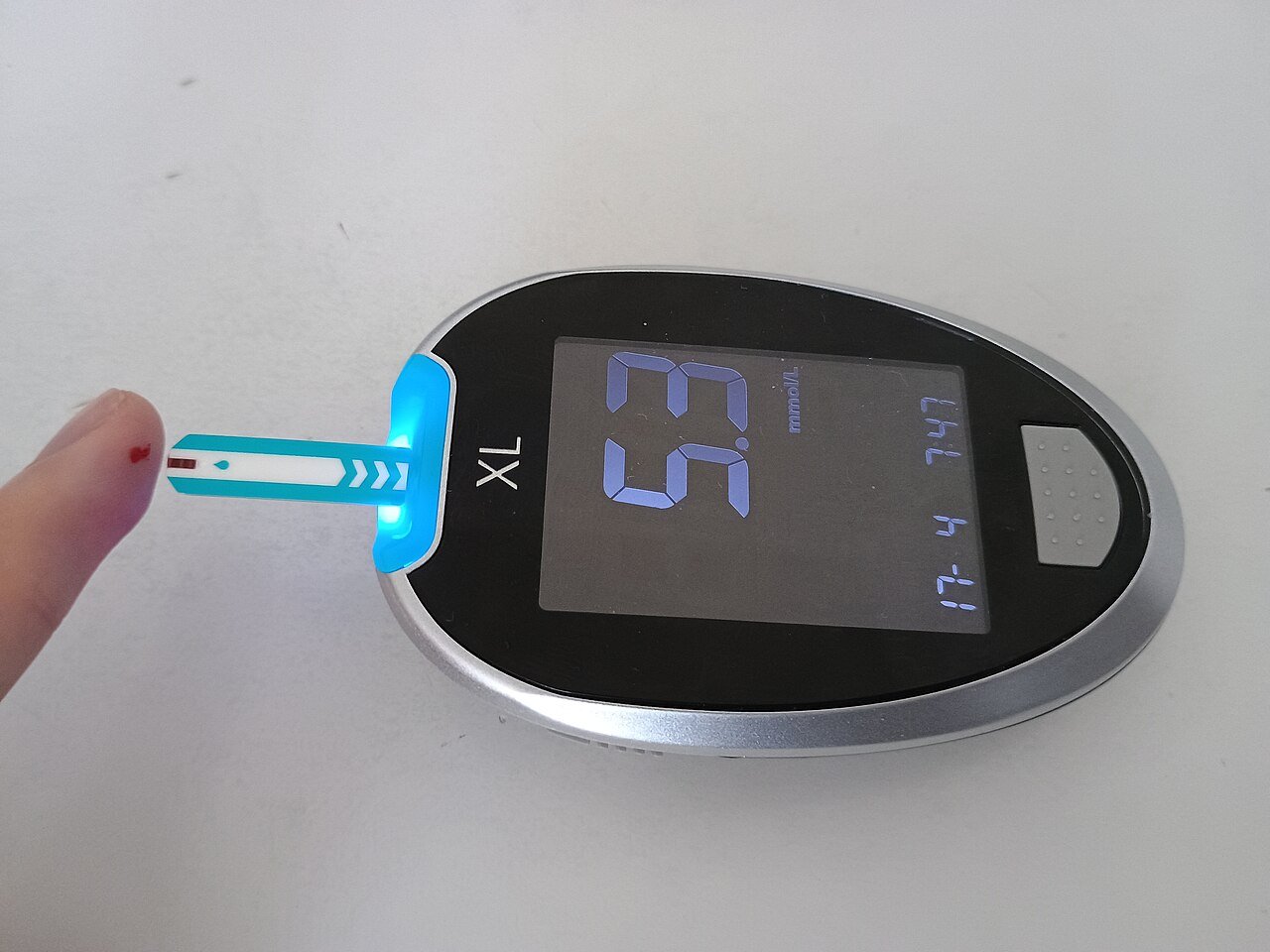
Stress can make blood sugar rise or fall in unexpected ways. That makes type 2 diabetes and mental health a two-way street: a stressful week can lead to harder readings, and harder readings add more stress.
5. Low Energy and Poor Self-Care
When depression drains your energy and interest, healthy habits slip. Meals, walks, and medicine routines get harder to keep.
The review in the Journal of General Internal Medicine found that people with depression were twice as likely to have poor adherence to blood sugar, blood pressure, and cholesterol medicines.
6. Missed Appointments and Missed Warning Signs
When you feel overwhelmed, it is tempting to avoid the doctor or skip checks. Over time, this can hide problems until they become urgent.
Our guide on a diabetic emergency in Austin explains the warning signs of very high and very low blood sugar.
Type 2 Diabetes and Mental Health at a Glance
| Condition | What it can feel like | Key fact |
|---|---|---|
| Depression | Sadness, low energy, loss of interest | 2 to 3 times more likely (CDC) |
| Anxiety | Worry, racing heart, feeling on edge | About 20% more likely (CDC) |
| Diabetes distress | Worn out by daily management | 33% to 50% in 18 months (CDC) |
| Burnout | Skipping checks or doses | Not a sign you do not care |
Signs You May Need Support
Talk to your doctor if you notice any of these for more than a couple of weeks:
- Feeling sad, empty, or hopeless most days
- Losing interest in things you used to enjoy
- Sleeping much more or much less than usual
- Skipping medicines, blood sugar checks, or appointments
- Feeling angry or exhausted by diabetes
- Constant worry or panic attacks
Simple Ways to Cope
The CDC suggests small steps rather than a full life overhaul. Try these:
- Move your body. Even a short walk helps.
- Pick one or two small diabetes goals instead of changing everything at once.
- Talk with a friend, a peer group, or a diabetes educator.
- Try meditation, yoga, or other relaxation methods.
- Limit alcohol and caffeine, eat well, and get enough sleep.

Therapy, medicine, or both are usually effective for depression, and the CDC notes that better glucose control may also ease symptoms. If you feel burned out, ask your care team about simplifying your plan.

When Type 2 Diabetes and Mental Health Problems Need Emergency Care
Some moments cannot wait. If you have thoughts of harming yourself or ending your life, call or text 988 right now, or go to the nearest ER.
Go to the emergency room if you also have:
- Confusion, fainting, or shakiness that does not improve after checking your sugar
- Very high readings with vomiting, strong thirst, or trouble breathing
- A panic attack with chest pain or trouble breathing
Unsure whether it is anxiety or something physical? Read our guide to ER care for anxiety and panic attacks, and see ER vs urgent care if you are not sure where to go. Our onsite lab can check blood sugar and other tests quickly.
Frequently Asked Questions
Can type 2 diabetes cause depression?
Diabetes does not guarantee depression, but the risk is higher. The CDC says people with diabetes are 2 to 3 times more likely to have depression than people without it.
Can anxiety feel like low blood sugar?
Yes. Both can cause shakiness, sweating, and a fast heartbeat. The CDC advises checking your blood sugar when you feel anxious.
What is diabetes distress?
It is the emotional strain of managing diabetes every day. It is not the same as depression, and the CDC says it is not treated effectively with medicine alone. Support, goal setting, and simpler plans help.
Can improving blood sugar help my mood?
Possibly. Better glucose control may reduce symptoms of depression and anxiety, and the CDC notes that when one condition improves, the other often does too.
Who should I talk to first?
Start with your doctor. They can connect you to a counselor, diabetes educator, or endocrinologist.
Get Help Any Time at Priority Emergency Center
If you feel unsafe, very unwell, or unsure, do not wait. Our team is open 24 hours a day, 7 days a week at 3563 Far West Blvd, Suite 110, Austin, TX 78731. See our location or call (737) 423-2300.
This article is for general information and is not medical advice. In an emergency, call 911 or come to the ER now.