Your heart is racing, your mind is spinning, and everything feels urgent. The good news is that effective coping techniques for anxiety can help you slow down, often within a few minutes.
This guide shares ten simple, research-backed options you can try at home, plus signs of when to get help.
Table of Contents
Quick Answer: What Are the Best Coping Techniques for Anxiety?
The most effective coping techniques for anxiety include slow deep breathing, the 5-4-3-2-1 grounding method, regular exercise, enough sleep, less caffeine and alcohol, mindfulness or yoga, and journaling. For ongoing anxiety, cognitive behavioral therapy (CBT) is a first-line treatment, according to the American Psychiatric Association. If anxiety disrupts your daily life, see a doctor.
Why Anxiety Needs a Toolkit
Everyone feels anxious sometimes. It becomes a problem when worry is persistent, hard to control, or gets in the way of work, school, or relationships.
According to the American Psychiatric Association, common signs include constant worry, feeling on edge, a rapid heartbeat, muscle tension, tiredness, and poor sleep.
No single tool works for everyone. Think of coping techniques for anxiety as a toolkit. Try a few, keep what helps, and drop what does not.

10 Effective Coping Techniques for Anxiety
1. Breathe Slowly and Deeply
Quick, shallow breaths can make anxiety worse. UPMC advises slow, deep breaths when the first signs appear.
Try this: place one hand on your chest and one just below your ribs. Breathe in slowly through your nose so your belly rises, then breathe out through pursed lips. Repeat for a few minutes.
2. Use the 5-4-3-2-1 Grounding Method
Grounding pulls your attention away from panicked thoughts and back to the present. Work through your senses:
- Name 5 things you can see
- Name 4 things you can feel
- Name 3 things you can hear
- Name 2 things you can smell
- Name 1 thing you can taste
It works best when you start early, at the first sign of tension or a faster heartbeat.
3. Move Your Body
The Mayo Clinic says exercise reduces stress and can lift your mood. Start slowly and build up.
UPMC notes that adults should aim for 150 to 300 minutes of moderate activity a week. A brisk walk counts.
4. Protect Your Sleep
Most adults need seven to nine hours of sleep a night, according to UPMC. Keep a regular bedtime and wake time.
If you cannot sleep well, tell your doctor. Poor sleep and anxiety often feed each other.
5. Cut Back on Caffeine, Nicotine, and Alcohol
The Mayo Clinic says nicotine and caffeine can make anxiety stronger, and alcohol and recreational drugs can cause or worsen it.
UPMC adds that too much caffeine can raise blood pressure and add to anxiety, while alcohol can disrupt sleep.

6. Try Mindfulness, Meditation, or Yoga
UPMC reports that mindfulness meditation programs can reduce anxiety. Yoga and tai chi combine movement, deep breathing, and meditation.
Even five quiet minutes a day is a good start.
7. Write It Down
Keeping a journal helps you spot what sets off your anxiety. The Mayo Clinic also suggests identifying triggers and practicing your coping skills with a mental health professional.

8. Spend Time in Nature
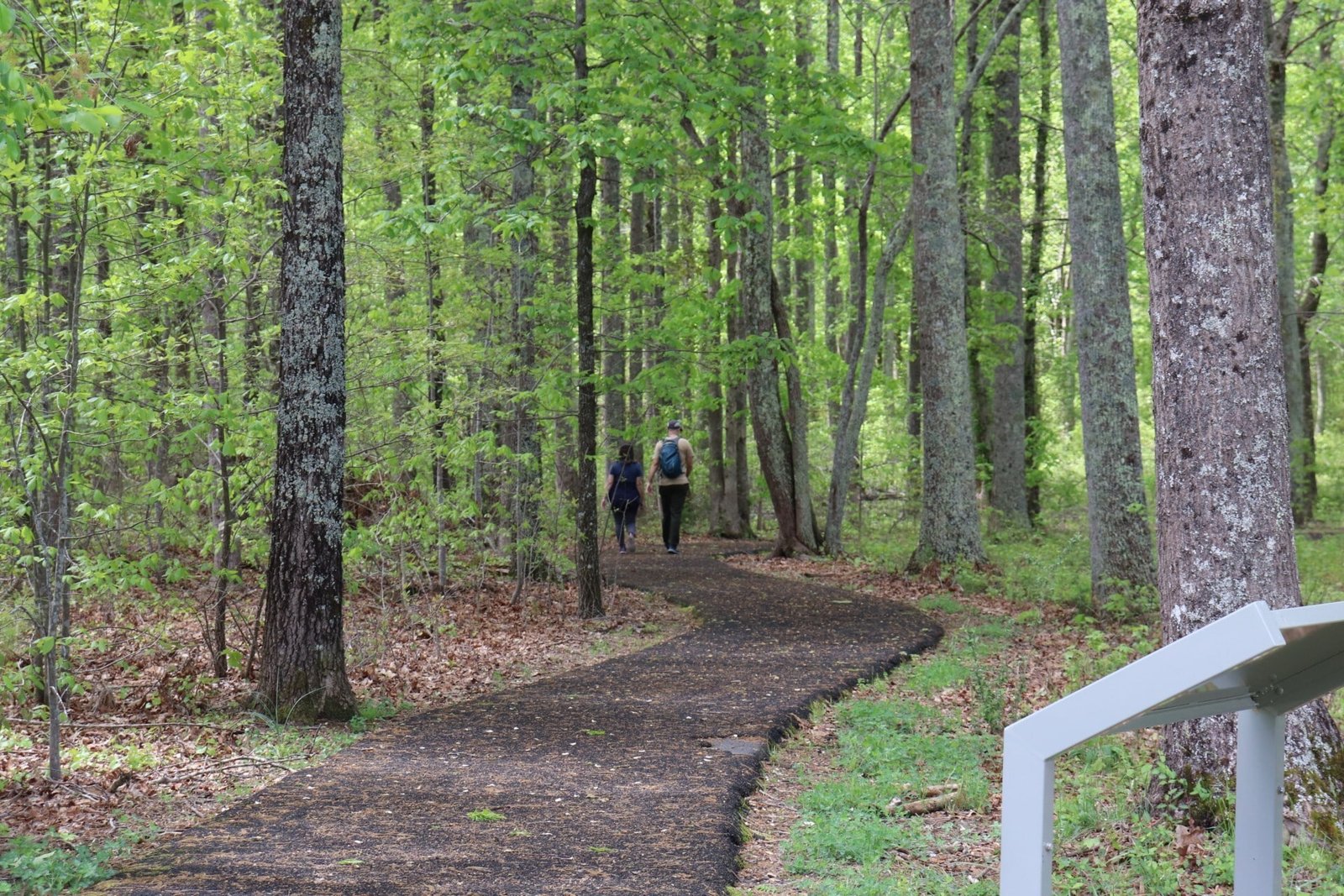
Long, slow walks outdoors are linked to lower blood pressure and less anxiety, according to UPMC. A walk in a park or along a trail is enough.
9. Eat Well
The Mayo Clinic says diets rich in vegetables, fruits, whole grains, and fish may be linked to less anxiety, though the evidence is still developing.
10. Stay Connected
Do not let worry pull you away from people. Talk with a friend, join a support group, or share how you feel with family.
Coping Techniques for Anxiety at a Glance
| Technique | How to start | Best for |
|---|---|---|
| Deep breathing | Slow breaths in through the nose, out through pursed lips | Early signs of anxiety |
| 5-4-3-2-1 grounding | Name things you see, feel, hear, smell, taste | Panic and racing thoughts |
| Exercise | A brisk walk most days | Ongoing stress |
| Sleep routine | Same bedtime and wake time | Anxiety that peaks at night |
| Less caffeine | Cut back gradually | Jitters and a racing heart |
| Journaling | Write down triggers each day | Finding patterns |
When Coping Techniques for Anxiety Are Not Enough
Self-help is a great start, but it does not replace care. Talk to a doctor if:
- Worry lasts for months or keeps coming back
- Anxiety interferes with work, school, or relationships
- You have frequent or severe panic attacks
- Anxiety causes extreme distress
The American Psychiatric Association says CBT is a first-line treatment for many anxiety disorders. Medicines can also provide significant relief, and your doctor can help you choose. Taking your treatment plan seriously matters, so keep going to therapy and take medicines as prescribed.
Some medicines, such as corticosteroids and asthma drugs, can add to anxiety. Ask your doctor to review yours.
When Anxiety Becomes an Emergency
A panic attack can feel just like a heart attack. If you have chest pain, trouble breathing, fainting, or you are not sure what is happening, do not wait it out. Go to the ER.
If you are having thoughts of harming yourself, call or text 988 right away.
Our guide on ER care for anxiety and panic attacks explains what happens during a visit. You can also read the signs of a heart attack and how an ER differs from urgent care.
Frequently Asked Questions
What is the fastest way to calm anxiety?
Slow deep breathing and the 5-4-3-2-1 grounding method are two of the quickest options. Both work best when you start at the first signs of anxiety.
What is the 5-4-3-2-1 technique?
It is a grounding exercise. You name five things you see, four you feel, three you hear, two you smell, and one you taste. It pulls your attention back to the present moment.
Can lifestyle changes really help anxiety?
Yes. Exercise, good sleep, less caffeine and alcohol, healthy meals, and relaxation methods are all recommended by the Mayo Clinic and UPMC as ways to ease anxiety.
When should I see a doctor for anxiety?
See a doctor if your worry lasts for months, interferes with daily life, or leads to frequent panic attacks. Your doctor can also rule out physical causes with similar symptoms.
What is the best treatment for anxiety disorders?
The American Psychiatric Association calls CBT a first-line treatment for many anxiety disorders. Some people also benefit from medicine, and mild cases may improve with therapy alone.
Get Help Any Time at Priority Emergency Center
If your symptoms feel severe, new, or physical, do not wait. Our team is open 24 hours a day, 7 days a week at 3563 Far West Blvd, Suite 110, Austin, TX 78731. See our location or call (737) 423-2300.
This article is for general information and is not medical advice. In an emergency, call 911 or come to the ER now.