A little bloating after a big meal is normal. But when to see a doctor for bloating is a fair question if it keeps coming back, hurts, or just does not feel right.
This guide explains what is normal, which signs deserve a checkup, and when it is time to get help.
Table of Contents
Quick Answer: When to See a Doctor for Bloating, Pain, and Gas
See a doctor if bloating, pain, or gas lasts more than two weeks, changes suddenly, or comes with weight loss you did not plan, blood in your stool, vomiting, or trouble swallowing. Go to the ER for severe or sudden belly pain, vomiting blood, or a hard, swollen abdomen.

What Counts as Normal Gas and Bloating
Gas is part of digestion. The NIDDK says people pass gas an average of 8 to 14 times a day, and up to 25 times a day is still considered normal. Belching up to 30 times a day is also common.
Bloating is a feeling of fullness or swelling in your belly. It can come and go with meals, stress, or your cycle.
Swallowed air is a common cause. NIDDK lists chewing gum, hard candy, fizzy drinks, and eating too fast as examples.
Common Reasons for Bloating, Pain, and Gas
Knowing when to see a doctor for bloating starts with knowing the usual causes. Most of the time the cause is not dangerous. A Houston Methodist gastroenterology article lists these:
- Food triggers: Lactose, gluten, and high-FODMAP foods are common culprits.
- Gut conditions: Irritable bowel syndrome (IBS), small intestinal bacterial overgrowth (SIBO), constipation, and celiac disease.
- Hormones: Higher estrogen before and during a period can cause water and salt retention.
- Stress: The gut and brain are linked, so stress can make the gut more sensitive.
- Gut bacteria shifts: These can increase gas production.
A physician at MD Anderson writes that food intolerance is the most frequent cause of bloating. The same article lists H. pylori infection, chronic pancreatic inflammation, and a rare gut blockage as less common causes.
When to See a Doctor for Bloating: Signs Not to Ignore
The clearest rule on when to see a doctor for bloating comes from MD Anderson’s Cancerwise blog, reviewed in October 2026. See a doctor for any symptom that lasts more than two weeks.
The article also says to seek care sooner if you have:
- Abdominal pain
- Weight loss without trying
It says to seek care right away for trouble swallowing, blood in your stool, vomiting blood, chronic diarrhea, or a family history of gastrointestinal cancer or inflammatory bowel disease.
Houston Methodist adds persistent vomiting and ongoing constipation to its list. NIDDK says to talk with your doctor if your gas symptoms change suddenly or come with pain, constipation, diarrhea, or weight loss.
Persistent bloating can also be linked to fluid buildup in the abdomen. MD Anderson notes this can happen with some cancers, including ovarian cancer. It is uncommon, but it is one more reason not to ignore bloating that does not go away.
Here is a simple way to sort what you feel:
| What you notice | What to do |
|---|---|
| Bloating after certain foods that settles within a day | Keep a food diary and mention it at your next checkup |
| Bloating or gas that lasts more than two weeks | Book a visit with your primary doctor or a gastroenterologist |
| Bloating with weight loss you did not plan | See a doctor soon |
| Bloating with blood in your stool, vomiting blood, or trouble swallowing | Get medical care right away |
| Sudden, severe belly pain or a hard, swollen abdomen | Go to the ER |
This table is a general guide to when to see a doctor for bloating. It is not a diagnosis.
Pain Plus Gas: When It Becomes an ER Visit
Most gas pain passes. Some belly pain does not, and you should not wait it out.
Go to an ER if you have severe pain, pain that started suddenly, pain with fever, vomiting you cannot stop, an abdomen that feels rigid, or vomiting blood. These can point to problems such as appendicitis or a blockage.
Our guides explain this in more detail:
- Stomach ache or emergency: how to tell the difference
- Abdominal pain emergency room care: what we do when pain is severe

Chest pain is different. Do not write it off as gas. Call 911 and read the signs of a heart attack.
Not sure where to go? Our guide to ER vs urgent care can help you decide.
What to Try at Home First
If you have no red flags, a few steps may help. Houston Methodist suggests:
- Keep a symptom diary to spot trigger foods.
- Skip gum, hard candy, and fizzy drinks.
- Eat slowly and chew well.
- Take a short walk after meals.
- Try simethicone, probiotics, or peppermint oil if your doctor agrees.
- Add fiber slowly and drink plenty of fluids, since fiber can make bloating worse for some people.
If these steps do not help in two weeks, that is when to see a doctor for bloating, even if the pain is mild.
How a Doctor Finds the Cause
Your doctor will ask about your diet, your bowel habits, your weight, and your family history. They may do an exam and order tests based on what they find.
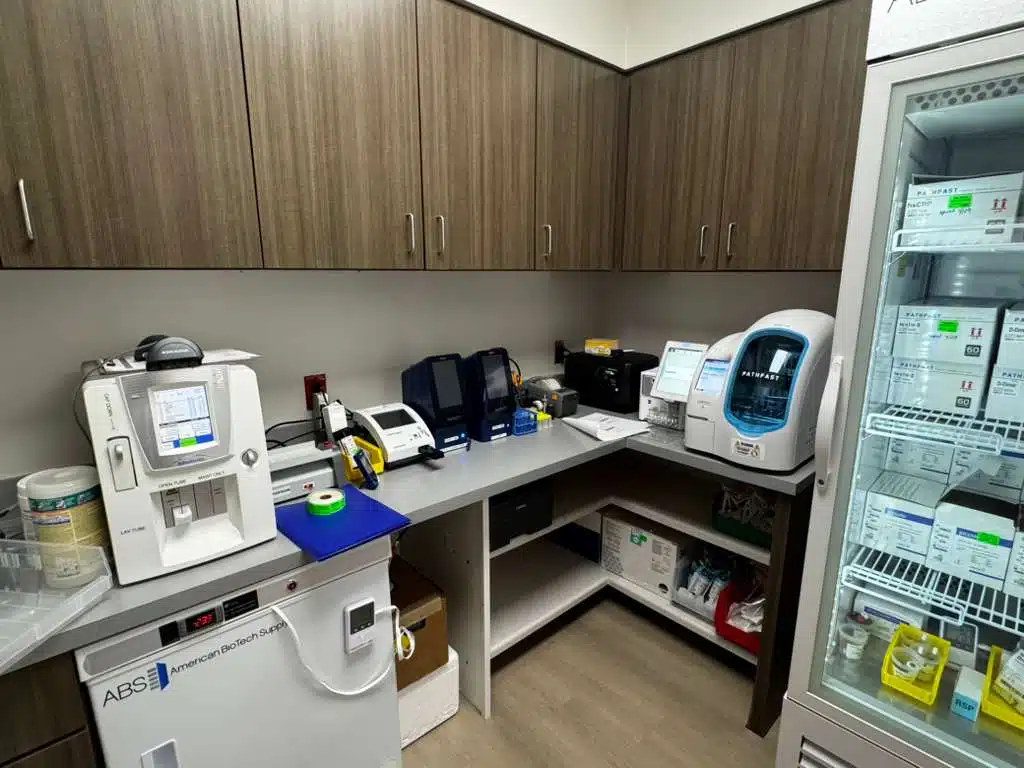
At Priority Emergency Center, we have an onsite lab and diagnostic imaging, which help us look for the cause when pain brings you in.
We are an ER, not a primary care or gastroenterology office. For long-term bloating without emergency signs, start with your regular doctor. Our emergency room services are here for urgent symptoms.
Frequently Asked Questions
How long is too long for bloating?
MD Anderson advises seeing a doctor for any symptom lasting more than two weeks. See a doctor sooner if you have pain or lose weight without trying.
Is gas pain ever an emergency?
Sometimes belly pain that feels like gas is something more serious. Severe, sudden pain, a rigid abdomen, or vomiting blood needs an ER right away.
What symptoms should I never ignore with bloating?
Blood in your stool, vomiting blood, trouble swallowing, unplanned weight loss, persistent vomiting, and severe pain all need medical attention.
Can stress cause bloating and gas?
Yes. Houston Methodist notes the gut-brain connection can make the gut more sensitive and change how it moves, so bloating can happen even when your diet has not changed.
Should I see my primary doctor or go to the ER?
For ongoing bloating without red flags, see your primary doctor or a gastroenterologist. For severe or sudden symptoms, come to the ER. If you are unsure, call us at (737) 423-2300.
Get Help Any Time at Priority Emergency Center
If you are still unsure about when to see a doctor for bloating, or your belly pain is severe, new, or getting worse, do not wait. Our team is open 24 hours a day, 7 days a week at 3563 Far West Blvd, Suite 110, Austin, TX 78731. See our location or call (737) 423-2300.
This article is for general information and is not medical advice. In an emergency, call 911 or come to the ER now.