Leaving your child home alone for the first time is a big step for both of you. Good home alone safety for kids starts long before you walk out the door, with a practice run, clear rules, and a plan for emergencies.
This guide covers Texas law, how to tell if your child is ready, how to prepare your home, first aid basics, and when to call 911.
Table of Contents
Table of Contents
Quick Answer: When Is a Child Ready to Stay Home Alone?
Texas has no minimum age for staying home alone. Experts say 11 or 12 is appropriate for a few hours, and most children are not ready to be alone regularly until about 10 or 11. Maturity matters more than age. Practice first, post emergency numbers, and teach your child when to call 911.

Home Alone Safety for Kids in Texas: Is Your Child Ready?
The Texas Department of Family and Protective Services says Texas law does not set an age for staying home alone. It says the supervision a child needs depends on age, maturity, abilities, and surroundings.
The agency also warns that inadequate supervision can be a type of neglect. And it says never to leave a child in a vehicle for any length of time.
Here is how doctors and child health groups describe readiness:
| Age | Guidance |
|---|---|
| Under 10 | KidsHealth says it is generally not a good idea |
| 8 to 9 | Some mature children can be alone for about 30 minutes, now and then |
| 10 to 11 | Most children are mature enough to be alone regularly |
| 11 to 12 | Appropriate for a few hours, according to child experts |
The American Academy of Pediatrics and KidsHealth agree that no single number fits every child.
Questions to Ask Yourself
The AAP suggests asking:
- Does my child think before acting, and handle peer pressure well?
- Would my child feel comfortable being alone?
- Would my child make good choices, such as not drinking milk that smells sour?
- Can my child stay busy without screens?
- Can my child remember safety rules and describe what to do in a fire or gas leak?
If any answer is no, wait and practice more.
Prepare Your Home Before You Leave
KidsHealth recommends childproofing for kids who stay home alone. Lock up:
- Alcohol, tobacco, and vaping products
- Prescription and over-the-counter medicines
- Guns, unloaded and stored apart from ammunition
- Car keys, lighters, and matches
If your child needs medicine, leave the exact dose instead of the bottle. Stock healthy snacks and keep flashlights where your child can find them.
Also show your child how to lock and unlock the doors, use the phone, and shut off the alarm system.
Rules Every Child Should Know
The AAP and KidsHealth suggest these house rules:
- Call or text you as soon as you get home.
- Do not open the door for strangers.
- Never tell a caller that you are not home. Use a script such as, “Mom can’t come to the phone. Can I take a message?”
- Do not post on social media that you are home alone.
- Ask permission before friends come over, and keep the number of visitors small.
- Stay out of off-limit rooms, and follow the kitchen rules, such as no oven or sharp knives.
Kids should also know their full name and address, and when it is safe to share them.
Emergency Preparedness: Numbers and a Plan
A plan is part of home alone safety for kids. Post this list where your child can see it, such as on the refrigerator. The AAP says an injured or scared child may forget even a number they have memorized.
- Your cell and work numbers
- Three nearby neighbors or family members
- Your pediatrician
- 911
- The Poison Help line, 1-800-222-1222
The AAP says that in a life-threatening situation, your child should call 911 first, then call you.
Do not rely on your child calling your cell phone as the only backup. Have a nearby adult who can reach your home quickly.
Practice Run
KidsHealth suggests a practice run of 30 minutes to an hour while you stay nearby and reachable. Afterward, talk through what went well. Then ask “what if” questions, such as:
- What would you do if you smelled smoke?
- What if a stranger knocked?
- What if the power went out?
- What if you cut yourself?
If your child will watch younger siblings, the AAP suggests a local first aid or CPR class. KidsHealth points to courses from the American Red Cross.
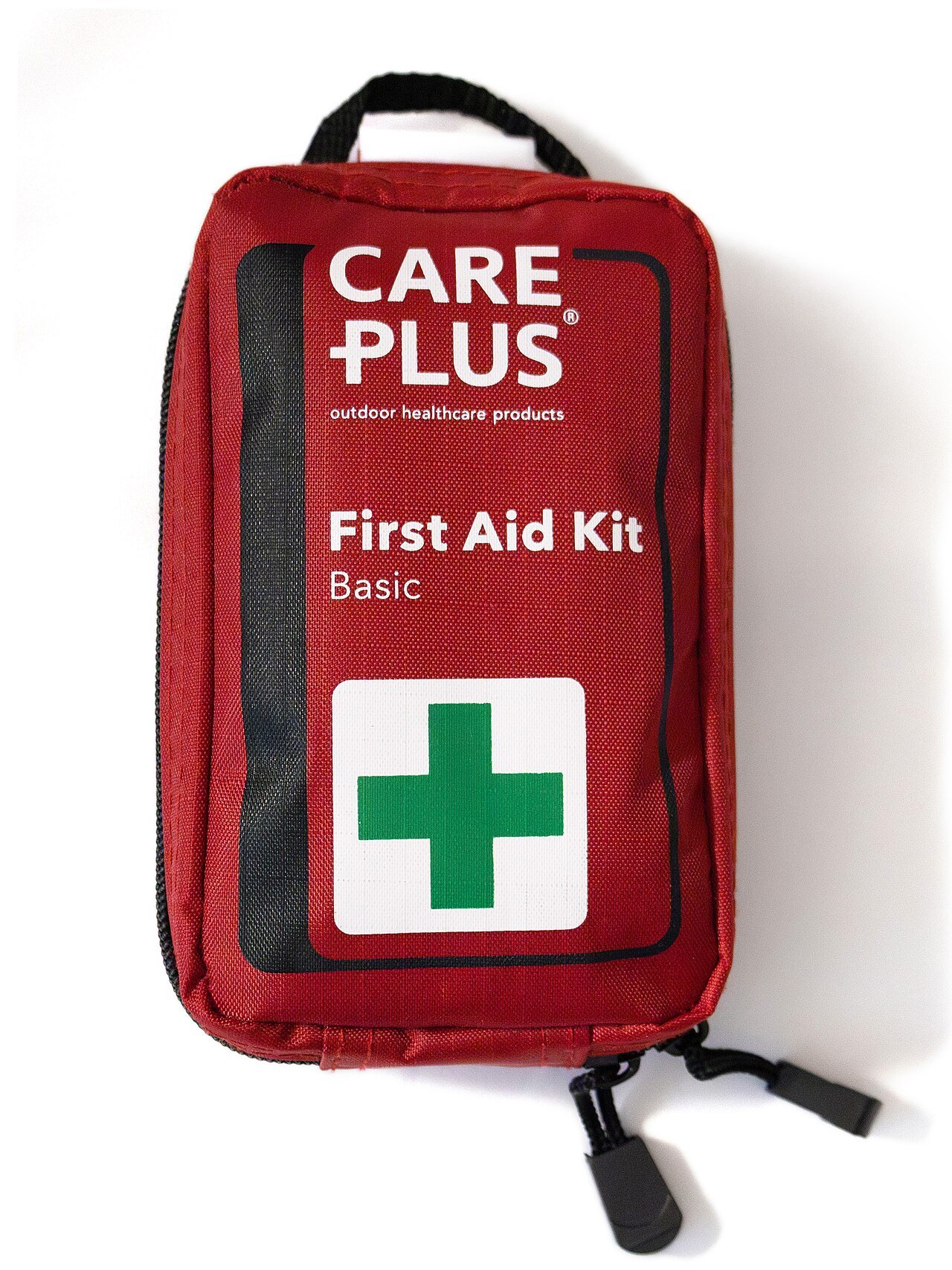
First Aid Kit for Kids Home Alone
A first aid kit is a must for home alone safety for kids. KidsHealth lists these basics for a family first aid kit:
- Adhesive bandages in several sizes, sterile gauze, and adhesive tape
- Antiseptic wipes, soap, and sterile water or saline to wash cuts
- At least 2 pairs of non-latex gloves
- Tweezers and scissors
- A thermometer and instant cold packs
- A flashlight with extra batteries
- A list of emergency phone numbers
The AAP says children should be able to reach the kit and know how to use it. Keep medicines locked up and separate, as KidsHealth advises for homes with kids.
Basic First Aid Your Child Can Handle
Home alone safety for kids includes basic first aid. Teach these steps to older children, and let them practice with you.
Small Burns
The Mayo Clinic advises running cool water over a minor burn for about 10 minutes, then covering it with a clean, loose bandage. Do not pop blisters, and do not use butter, toothpaste, or oil.
Minor Cuts
Wash the cut with clean water, then cover it with a bandage. If a cut is deep, large, or will not stop bleeding, the child should call 911 or a neighbor right away. The American College of Emergency Physicians lists these as reasons to seek emergency care.
Swallowed Medicine or Cleaning Products
Call Poison Help at 1-800-222-1222. The Poison Help line is the national number for poisoning emergencies. If the person collapses or cannot be woken, call 911.
Allergic Reactions
If your child has a known allergy, leave a written plan, and make sure your child knows where the epinephrine auto-injector is kept. They should call 911 right away for a serious reaction.

Home Alone Safety for Kids Checklist
- Decide if your child is mature enough, not just old enough.
- Do a short practice run with you nearby.
- Post emergency numbers, including 911 and Poison Help.
- Lock up medicines, alcohol, tobacco, weapons, and keys.
- Set rules for doors, phones, visitors, and the kitchen.
- Stock a first aid kit and flashlights.
- Agree on a check-in time each day.
- Name an adult nearby who can come quickly.
When to Call 911 or Go to the ER
For home alone safety for kids, teach your child to call 911 first for a life-threatening problem. The American College of Emergency Physicians lists these warning signs in children:
- Abnormal or difficult breathing
- Blue, purple, or gray skin or lips
- Bleeding that will not stop
- Severe headache or vomiting, especially after a head injury
- Seizure, extreme sleepiness, or unusual limpness
- Fever with a change in behavior
Not sure where to go? Our guide to ER vs urgent care can help. Learn about our children’s ER services and how we handle pediatric emergencies.
Frequently Asked Questions
What age can a child stay home alone in Texas?
Texas law does not set a minimum age, according to the Texas Department of Family and Protective Services. Experts say 11 or 12 is appropriate for a few hours.
Can I be in trouble for leaving my child home alone in Texas?
Inadequate supervision can be treated as neglect, according to the Texas Department of Family and Protective Services. The right choice depends on your child’s age, maturity, and the situation. A lawyer can answer questions about your case.
What should a child do first in an emergency?
Call 911 first in a life-threatening situation, then call a parent, according to the AAP.
What should be in a first aid kit for kids home alone?
Bandages, gauze, tape, antiseptic wipes, gloves, a cold pack, a thermometer, a flashlight, and a list of emergency numbers, according to KidsHealth.
How long should my child stay home alone at first?
For home alone safety for kids, start small. KidsHealth suggests a practice run of 30 minutes to an hour while you stay nearby and reachable.
Get Help Any Time at Priority Emergency Center
If your child is hurt or very sick, do not wait. Our team is open 24 hours a day, 7 days a week at 3563 Far West Blvd, Suite 110, Austin, TX 78731. See our location or call (737) 423-2300.
This article is for general information and is not medical or legal advice. In an emergency, call 911 or come to the ER now.