Cedar fever in Austin feels like a cold, but it is not an infection. It is an allergy to pollen from mountain cedar trees, and it arrives in the middle of winter, when many people assume they have the flu.
This guide covers season dates, symptoms, how cedar fever differs from a cold or the flu, relief that works, and when to get care.
Table of Contents
Quick Answer: What Is Cedar Fever?
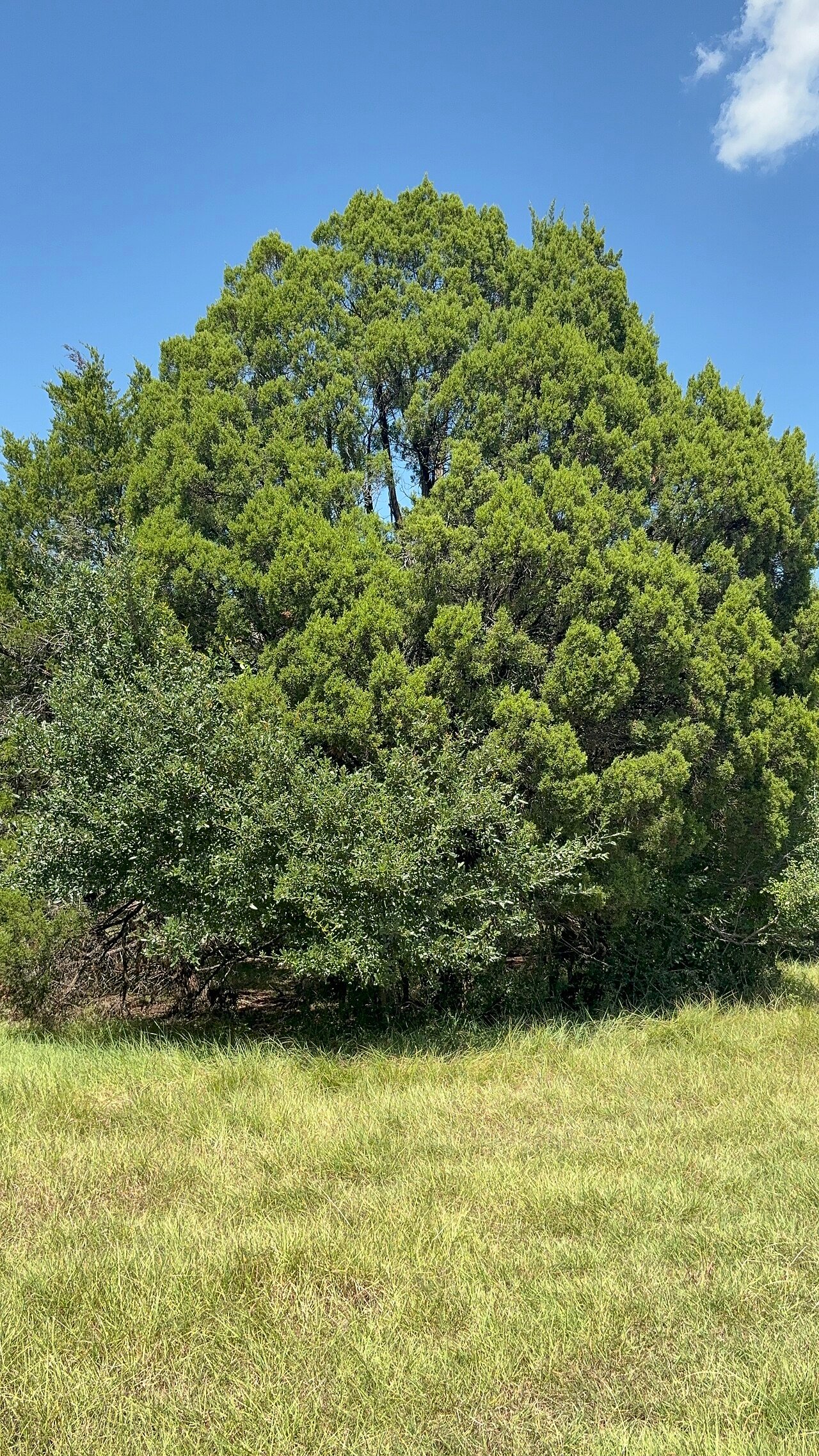
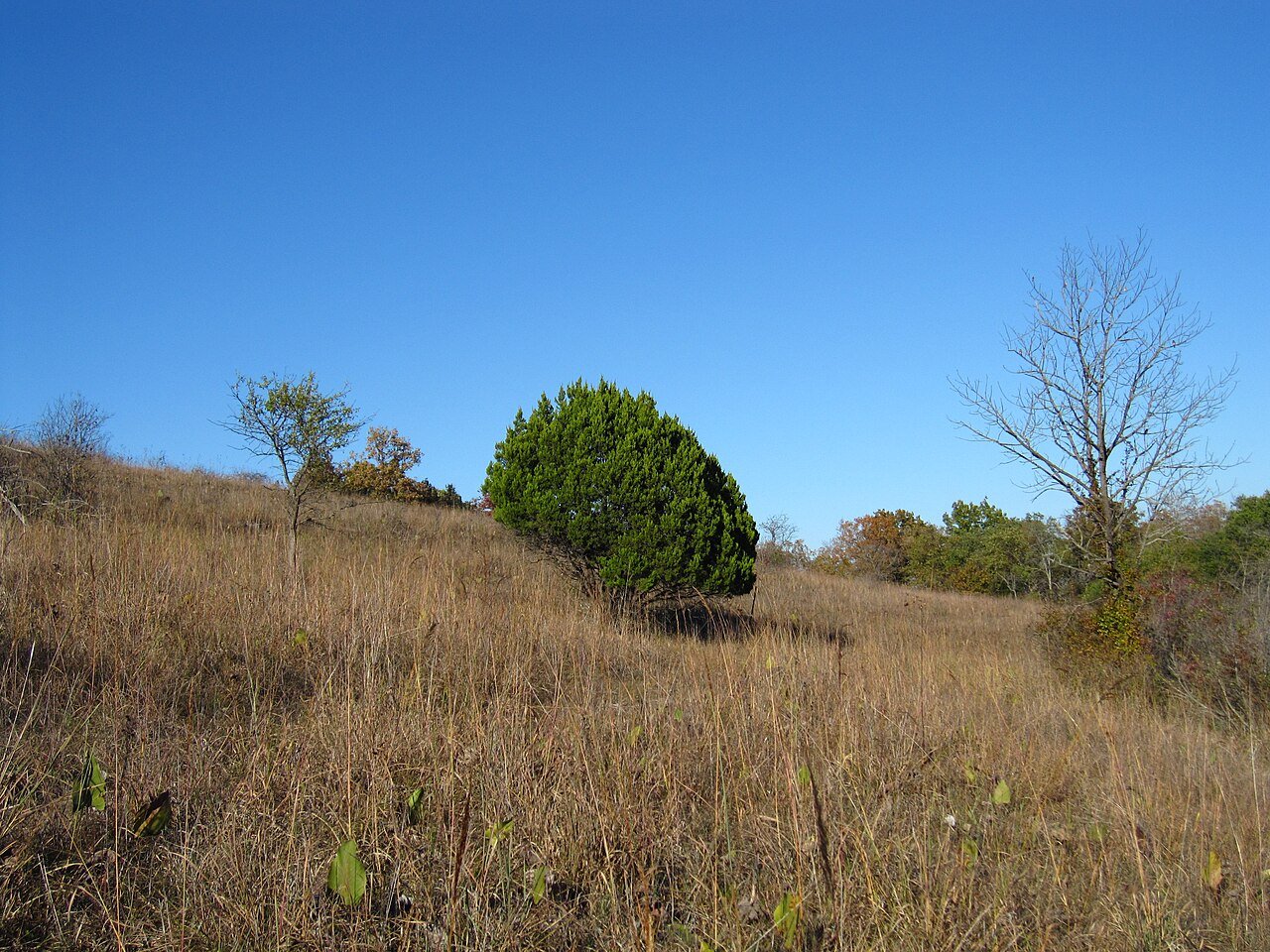
Cedar fever in Austin is an allergy to pollen from mountain cedar, also called Ashe juniper. The season runs from about mid-December to mid-February. Symptoms include sneezing, itchy watery eyes, congestion, and fatigue, usually without a true fever. Start treatment early, and get care right away for trouble breathing.
When Is Cedar Fever Season in Austin?
Most trees release pollen in spring. Mountain cedar does the opposite. Austin allergist Dr. Ron Cox told FOX 7 Austin that the trees pollinate in December, January, and February.
The Allergy & Asthma Network puts the season at December 15 to February 15. Baylor Scott & White Health says it peaks in mid-January.
On windy days, Central Texans often see a yellow and orange cloud of pollen around the trees.
You Can Develop It After Moving Here
Cedar fever in Austin does not only hit lifelong allergy sufferers. Dr. Cox says people can develop a cedar allergy after moving to Austin, often around years three through five.
Baylor Scott & White adds that juniper pollen can cause reactions in people with no other allergies.
Cedar Fever Symptoms
Common symptoms include:
- Sneezing and a runny or stuffy nose
- Itchy, watery, or red eyes
- Congestion and sinus pressure
- Sore throat and post-nasal drip
- Headache or facial pain
- Fatigue
- Cough, and asthma flares in people with asthma
Baylor Scott & White notes that symptoms often get worse on windy days and better indoors. That pattern is a clue that pollen is the cause.
Does Cedar Fever Cause a Fever?
Not a true one. Baylor Scott & White says the “fever” is a slight rise in body temperature from inflammation, and it typically stays under 100°F. Dr. Cox says a temperature above 101.5°F is likely caused by something other than cedar fever.
If your temperature is higher than that, think flu, COVID, or another infection.
Cedar Fever in Austin vs Cold, Flu, and COVID
These illnesses overlap, so the details matter.
| Clue | Cedar fever | Cold, flu, or COVID |
|---|---|---|
| Cause | Pollen allergy | A virus |
| Temperature | None or a slight rise, typically under 100°F | Flu often brings a substantial fever |
| Mucus | Clear and runny | Often thicker and colored |
| Body aches | Typically not present | May occur |
| Pattern | Worse on windy days, better indoors | Not tied to wind or pollen |
| Timing | Mid-December to mid-February | Can happen any time |
For more help, read our guides on cold vs flu vs RSV and cold, flu, and RSV season in Austin.
How to Get Relief From Cedar Fever
Treatment works best when you start early. Baylor Scott & White says primary care doctors can suggest these options:
- Antihistamines
- Nasal steroid sprays, which the Allergy & Asthma Network says are used twice a day
- Allergy eye drops
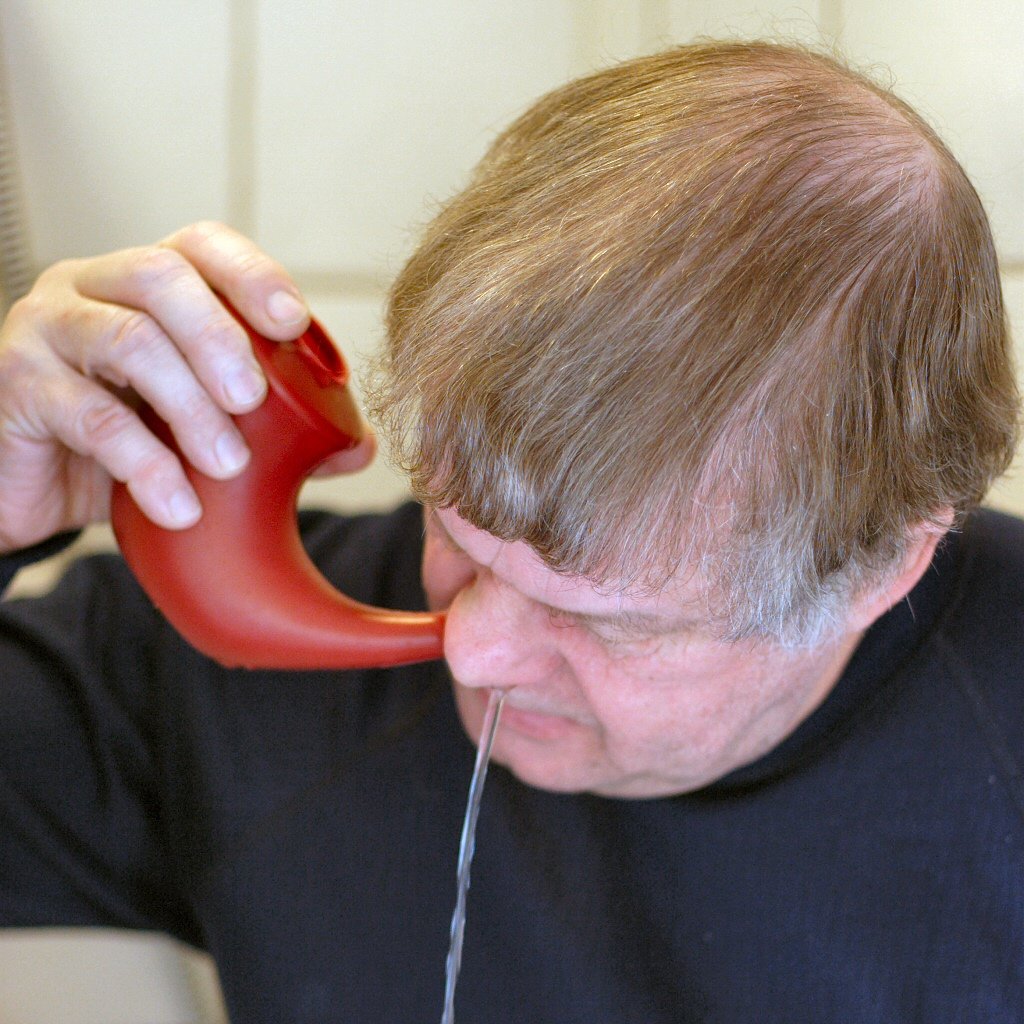
- Saline nasal rinses, used consistently
If over-the-counter options are not enough, a doctor can prescribe an antihistamine nose spray or refer you to an allergist.
Allergy Shots and Drops
Immunotherapy works for many people. Baylor Scott & White says allergy shots or drops are effective in 70% to 80% of people. They take 6 to 12 months to build immunity, so the best time to start is late spring or early summer.
How to Prepare for Cedar Fever in Austin
Use these steps from the Allergy & Asthma Network, Baylor Scott & White, and Dr. Cox:
- Check the daily pollen count and limit time outside when it is high.
- Keep windows and doors closed.
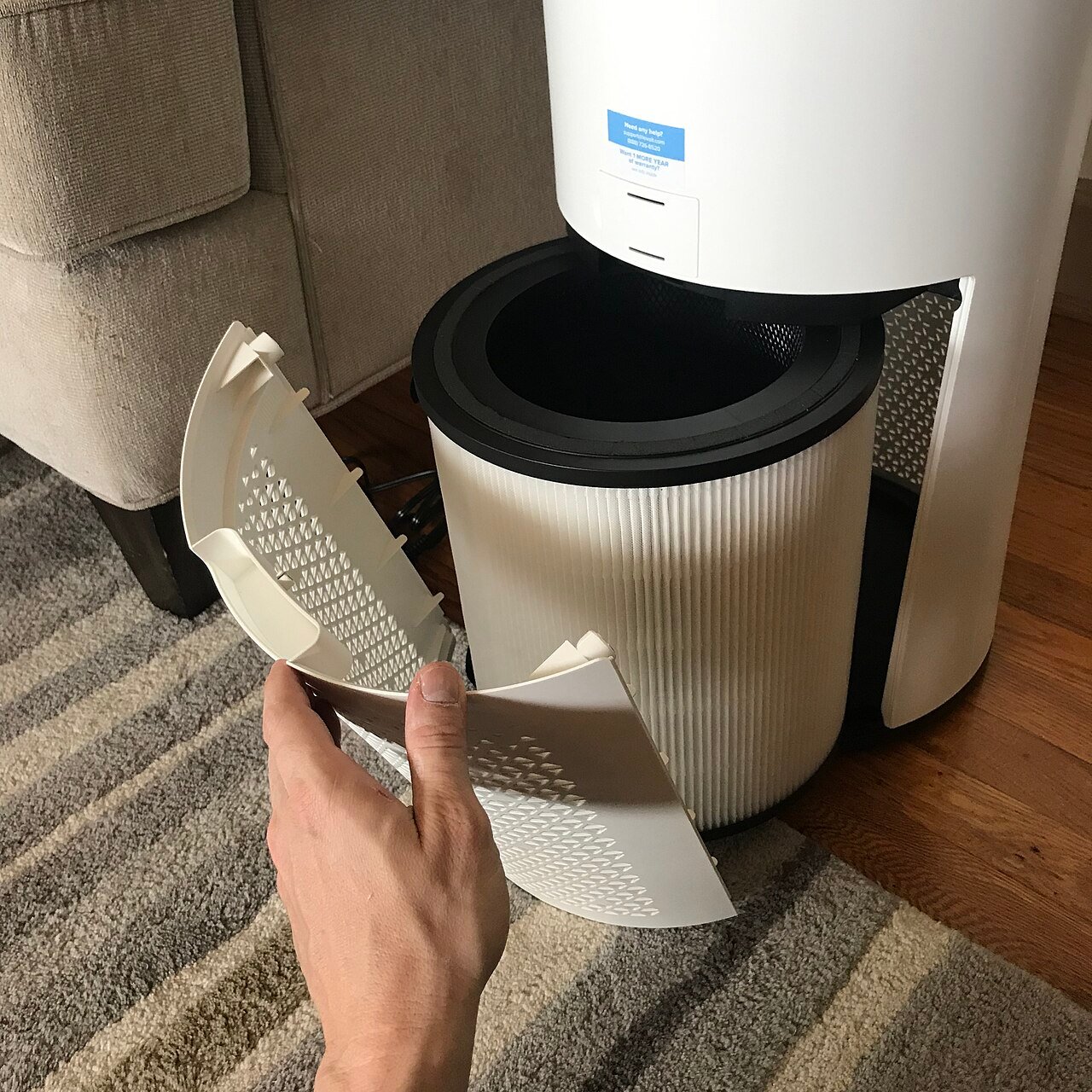
- Run a HEPA air purifier, especially in the bedroom.
- Take off your shoes at the door, change clothes, and shower before bed.
- Wash bedding in hot water, and skip hanging laundry outside.
- Rinse your sinuses with saline after long periods outdoors.
- Go outside later in the evening when you can.
When Cedar Fever Needs the ER
Cedar fever is usually a nuisance, not an emergency. But some symptoms should never be brushed off.
The Allergy & Asthma Network advises people with asthma to follow their Asthma Action Plan, use quick-relief medicine as directed, and seek medical attention for trouble breathing.
Go to the ER or call 911 for:
- Trouble breathing, especially if you have asthma
- Chest pain or tightness that does not go away
- A high fever with body aches, which points to flu or COVID rather than cedar fever
- A child who is struggling to breathe or is very sleepy
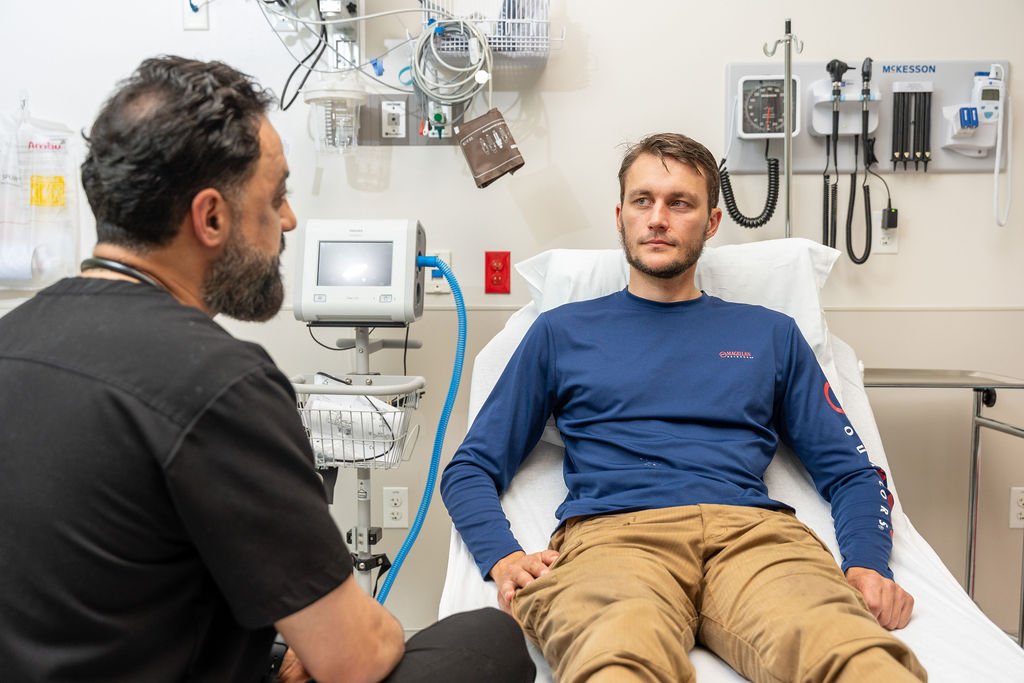
Not sure where to go? Our guide to ER vs urgent care can help. We treat patients of all ages, including children, around the clock. Our onsite lab can run tests when symptoms are unclear.
Long-term allergy care, such as allergy testing and shots, is best handled by an allergist.
Frequently Asked Questions
What is cedar fever?
It is an allergic reaction to pollen from mountain cedar, also called Ashe juniper. It is not a virus, and it is not contagious.
When is cedar fever season in Austin?
The season runs from about mid-December to mid-February and peaks in mid-January, according to the Allergy & Asthma Network and Baylor Scott & White.
Can cedar fever cause a fever?
Only a slight rise in temperature, typically under 100°F. A temperature above 101.5°F is likely something else, according to Dr. Cox.
How do I know if it is cedar fever or the flu?
Cedar fever usually brings clear, runny mucus, no body aches, and symptoms that get better indoors. The flu often brings a substantial fever.
Is cedar fever in Austin an emergency?
Usually not. But trouble breathing, especially with asthma, needs medical attention right away.
Get Help Any Time at Priority Emergency Center
If your symptoms feel severe, new, or are getting worse, do not wait. Our team is open 24 hours a day, 7 days a week at 3563 Far West Blvd, Suite 110, Austin, TX 78731. See our location or call (737) 423-2300.
This article is for general information and is not medical advice. In an emergency, call 911 or come to the ER now.