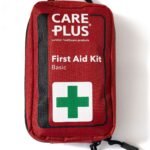
Thanksgiving safety in Austin starts in the kitchen. Thanksgiving is the biggest day of the year for home cooking fires, and a long meal with hot oil, sharp knives, and a big bird leads to more burns, cuts, and food poisoning than most families expect.
Thanksgiving falls on Thursday, November 26 this year. This guide covers turkey fryer rules, burn first aid, safe turkey handling, and when to go to the ER on Thanksgiving.
Table of Contents
Quick Answer: How Do You Stay Safe on Thanksgiving?
Stay by the stove while you cook, fry turkeys only outdoors and away from buildings, and cook turkey to 165°F. Refrigerate leftovers within 2 hours. For a burn, cool it under running water for about 10 minutes. Go to the ER for large burns, burns on the face or hands, or cuts that will not stop bleeding.

Why Thanksgiving Safety in Austin Matters
According to NFPA data reported by Carrier Management, about 1,446 home cooking fires were reported to U.S. fire departments on Thanksgiving Day 2023. That was a 388% jump over the daily average.
From 2019 to 2023, cooking caused 80% of U.S. home fires on Thanksgiving Day and 40% of the injuries. Unattended cooking is the leading factor in home cooking fires.
The good news is that Thanksgiving safety in Austin comes down to a few simple habits that prevent most of these accidents.
Thanksgiving at a Glance
| Problem | Quick fix | Go to the ER when |
|---|---|---|
| Grease or oil fire | Never use water. Call 911 | Anyone is burned or breathes in smoke |
| Burn | Cool with running water for about 10 minutes | Larger than 3 inches, or on the face, hands, feet, or a joint |
| Knife cut | Press on it with a clean cloth | Deep, large, or bleeding that will not stop |
| Food poisoning | Cook turkey to 165°F and chill leftovers fast | Severe or lasting vomiting or diarrhea |
Turkey Fryer Safety: Tips From Austin Fire Department
The NFPA strongly discourages turkey fryers that use cooking oil, because they can cause severe burns. A safer choice is to buy a fried turkey from a store or restaurant, or use an oil-free fryer.
If you do fry at home, the Austin Fire Department’s tips, shared by FOX 7 Austin, include these rules:
- Fry outdoors, well away from any building and off wooden decks or structures.
- Make sure the turkey is fully thawed. Allow at least three days in the refrigerator.
- Do a dry run with water first to check how much oil you need, so it does not spill onto the burner.
- Lower the turkey into the oil slowly to limit splashing.
- Never leave the fryer alone. Many fryers have no thermostat, so the oil can keep heating until it ignites.

If a Grease Fire Starts
Never use water or ice on hot oil. The water can turn to steam and spray burning oil. Use an extinguisher rated for grease fires and call 911.
For a small grease fire in a pan on the stove, the NFPA advises sliding a lid over the pan, turning off the burner, and leaving the lid on until the pan cools.

First Aid for Thanksgiving Burns
The Mayo Clinic gives these steps for a minor burn:
- Run cool, not cold, water over the burn for about 10 minutes.
- Take off rings or tight items before swelling starts.
- Cover the burn with a clean, loose bandage.
- Do not pop blisters.
- Do not put butter, toothpaste, or oil on the burn.
When a Burn Needs the ER
The Mayo Clinic says to call 911 or go to the emergency room if the burn:
- Goes through all layers of the skin, or looks dry, leathery, or charred
- Is larger than 3 inches across
- Is on the face, hands, feet, genitals, buttocks, or a major joint
- Wraps around an arm or leg
- Comes with smoke inhalation, or swells very fast
- Was caused by electricity or strong chemicals
Babies and older adults may need emergency care even for minor burns.
Kitchen Cuts and Other Injuries
Carving a turkey with slippery hands is a common way to get hurt. The American College of Emergency Physicians lists deep or large wounds, and bleeding that will not stop, as reasons to seek emergency care.
If a cut is deep or will not stop bleeding, do not wait. Read our guide to laceration treatment in Austin to see what to expect.
Turkey Safety: How to Avoid Food Poisoning
The CDC’s turkey safety guide lists these steps:
- Thaw safely. In the refrigerator, allow about 24 hours for every 4 to 5 pounds. Never thaw a turkey on the counter.
- Do not rinse the turkey. It can spread germs around your kitchen.
- Cook to 165°F. Check the temperature in three spots and avoid the bone. Stuffing should also reach 165°F.
- Chill leftovers fast. Refrigerate within 2 hours, or within 1 hour if it is hotter than 90°F.
- Use leftovers in 3 to 4 days. Reheat them to 165°F.
If you get sick after the holiday meal, read our guide to food poisoning and the ER in Austin.
Thanksgiving Safety in Austin Checklist
Use this list to keep Thanksgiving safety in Austin simple:
- Stay in the kitchen while anything is on the stove.
- Keep towels, wrappers, and wooden spoons at least three feet from the burners.
- Keep children and pets at least three feet from the stove and hot food.
- Set a timer for every long-cooking dish.
- Keep a grease-rated fire extinguisher where you can reach it.
- Use a food thermometer, not guesswork.
- Refrigerate leftovers within 2 hours.
- Know the closest ER before you need it.

When to Go to the ER on Thanksgiving
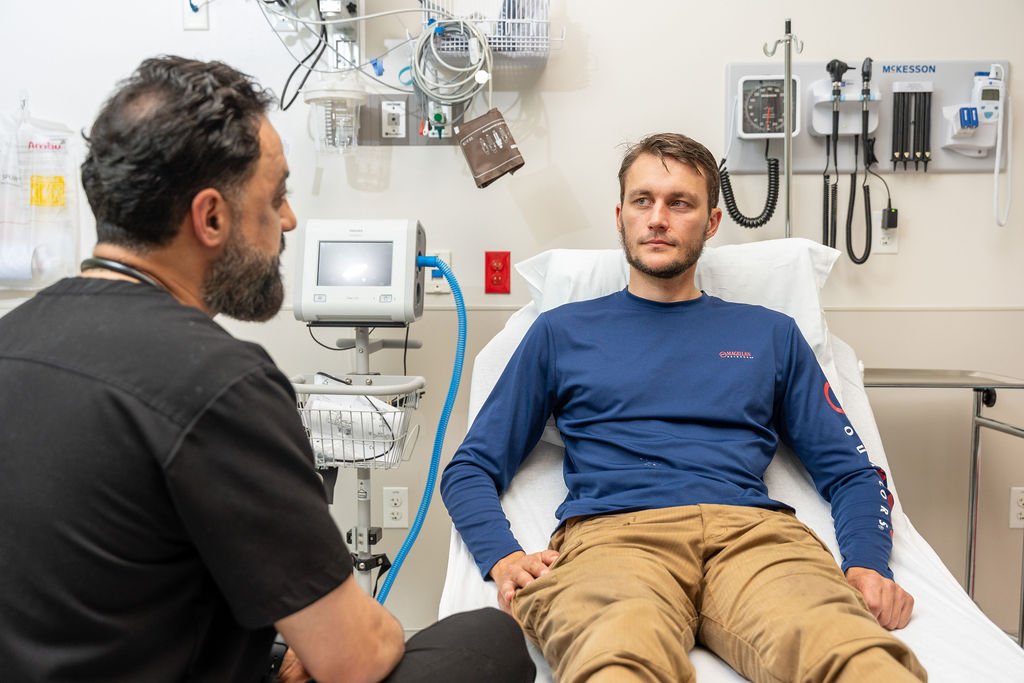
Thanksgiving safety in Austin also means knowing when to get help. Call 911 for a fire you cannot control, trouble breathing after smoke, or a severe burn. Go to the ER for:
- Large burns, or burns on the face, hands, or joints
- Deep cuts or bleeding that will not stop
- Severe vomiting or diarrhea, especially in children and older adults
- Any injury or illness that cannot wait until the holiday is over
Not sure where to go? Our guide to ER vs urgent care can help, and you can learn more about our emergency room services. Many clinics close on holidays, but a walk-in ER in Austin stays open.
Frequently Asked Questions
What is the safest way to cook a turkey on Thanksgiving?
For Thanksgiving safety in Austin, the NFPA strongly discourages oil turkey fryers. Roasting in the oven is safer. Cook the turkey to 165°F, checked in three spots, according to the CDC.
How do I treat a minor burn from Thanksgiving cooking?
Run cool water over it for about 10 minutes, cover it with a loose, clean bandage, and do not pop blisters. Avoid butter, toothpaste, and oil, according to the Mayo Clinic.
How long can Thanksgiving leftovers sit out?
Refrigerate them within 2 hours, or within 1 hour if the room is hotter than 90°F. The CDC says to eat turkey leftovers within 3 to 4 days.
What should I do if my turkey fryer catches fire?
Never use water. Use a grease-rated extinguisher and call 911, according to the Austin Fire Department’s tips.
Is there an ER open on Thanksgiving Day in Austin?
Yes. Priority Emergency Center is open 24 hours a day, 7 days a week, including holidays. Thanksgiving safety in Austin is easier when you know where to go.
Get Help Any Time at Priority Emergency Center
If someone is hurt or very sick this Thanksgiving, do not wait. Our team is open 24 hours a day, 7 days a week, including holidays, at 3563 Far West Blvd, Suite 110, Austin, TX 78731. See our location or call (737) 423-2300.
This article is for general information and is not medical advice. In an emergency, call 911 or come to the ER now.