Most people think Crohn’s disease only means stomach pain and diarrhea. In reality, Crohn’s disease affects your body well beyond the gut, from your joints and skin to your eyes, bones, and liver.
This guide covers seven surprising effects, the numbers behind them, and when to get care.
Table of Contents
Quick Answer: How Does Crohn’s Disease Affect Your Body?
Crohn’s disease affects your body in two ways. It inflames the digestive tract, and it can also cause problems outside the gut, including joint pain, skin rashes, mouth sores, eye inflammation, anemia, weak bones, and gallstones or kidney stones. These effects are common and often treatable, so tell your doctor about every symptom, even the ones that seem unrelated.
What Crohn’s Disease Does Inside the Gut
Crohn’s disease is a long-term condition in which immune system reactions cause inflammation in the digestive tract. The NIDDK says it most often affects the small intestine and the beginning of the large intestine.
Researchers estimate that about 1 million people in the United States have it. Symptoms tend to come in flares, followed by quiet periods called remission that can last weeks or even years.
The most common gut symptoms are diarrhea, cramping and belly pain, and weight loss. Many people also notice fever, nausea, and a lower appetite.
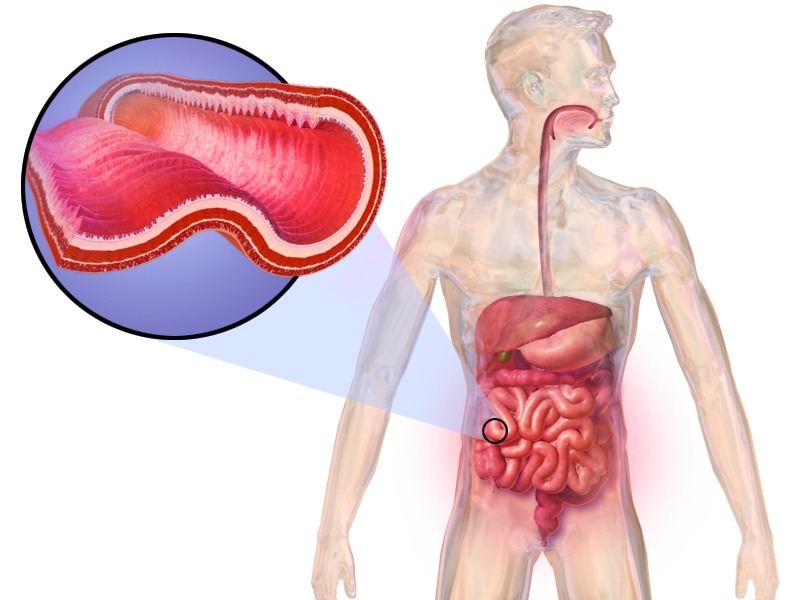
7 Surprising Ways Crohn’s Disease Affects Your Body
The same immune reaction that irritates the gut can show up in other organs. UofM Health groups these as problems outside the digestive tract. Here are seven of the most important ones.
1. Joint Pain and Swelling
Joint trouble is one of the most common effects outside the gut. UofM Health reports that it affects about 5% to 20% of people with Crohn’s disease.
Some people develop a type of arthritis that can look a lot like rheumatoid arthritis. Pain may move from one joint to another and often flares when the gut is also flaring.
2. Painful Skin Problems
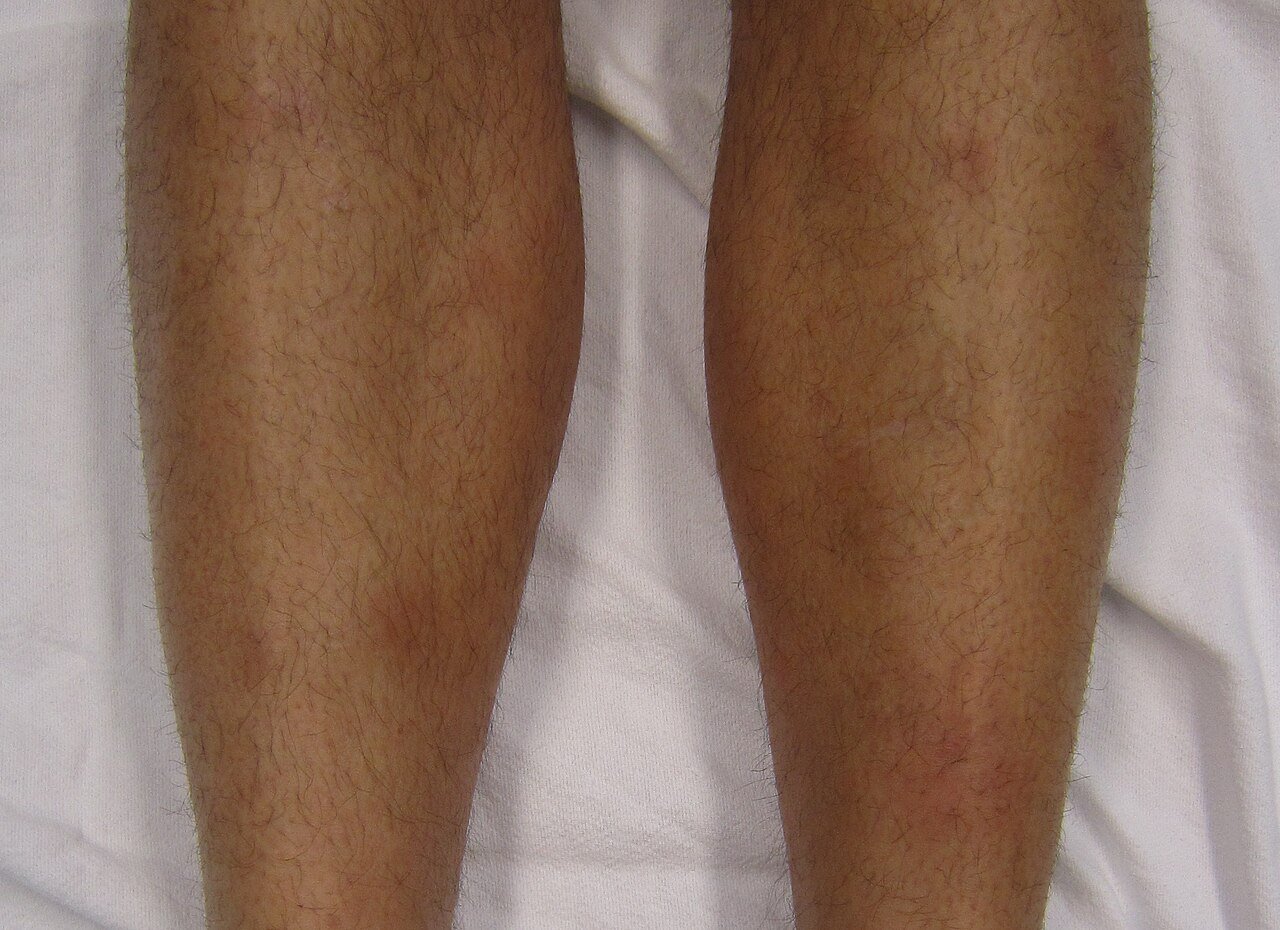
About 10% to 20% of people with Crohn’s disease have skin problems, according to UofM Health. One example is erythema nodosum, which causes red, tender bumps under the skin, often on the legs.
A rarer condition called pyoderma gangrenosum causes spreading skin ulcers, usually on the legs. The Mayo Clinic also lists hidradenitis suppurativa as a skin problem linked to Crohn’s.
3. Mouth Sores
Painful ulcers inside the mouth are a classic sign that Crohn’s disease affects your body beyond the intestines. The Mayo Clinic lists mouth sores among the common symptoms.
They can make eating and brushing uncomfortable, which adds to the problem if you are already losing weight.

4. Red, Painful Eyes
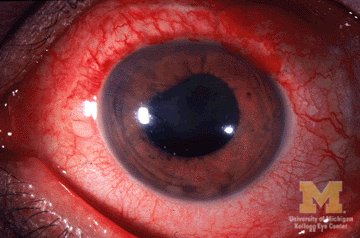
Eye inflammation affects up to 11% of people with Crohn’s disease. This can include uveitis, which is inflammation inside the eye, and inflammation of the white of the eye.
Eye redness or pain should never be ignored. If you have Crohn’s disease and your eye is red, painful, or sensitive to light, see a doctor promptly.
5. Anemia, Fatigue, and Nutrient Gaps
Feeling tired all the time is one of the most overlooked ways Crohn’s disease affects your body. Part of the reason is anemia. The Mayo Clinic notes that people can develop iron deficiency anemia, or anemia from low vitamin B-12.
When the small intestine is inflamed, it may not absorb food well. The NIDDK lists malnutrition as an ongoing complication, along with weight loss and slower growth in children.
6. Weaker Bones
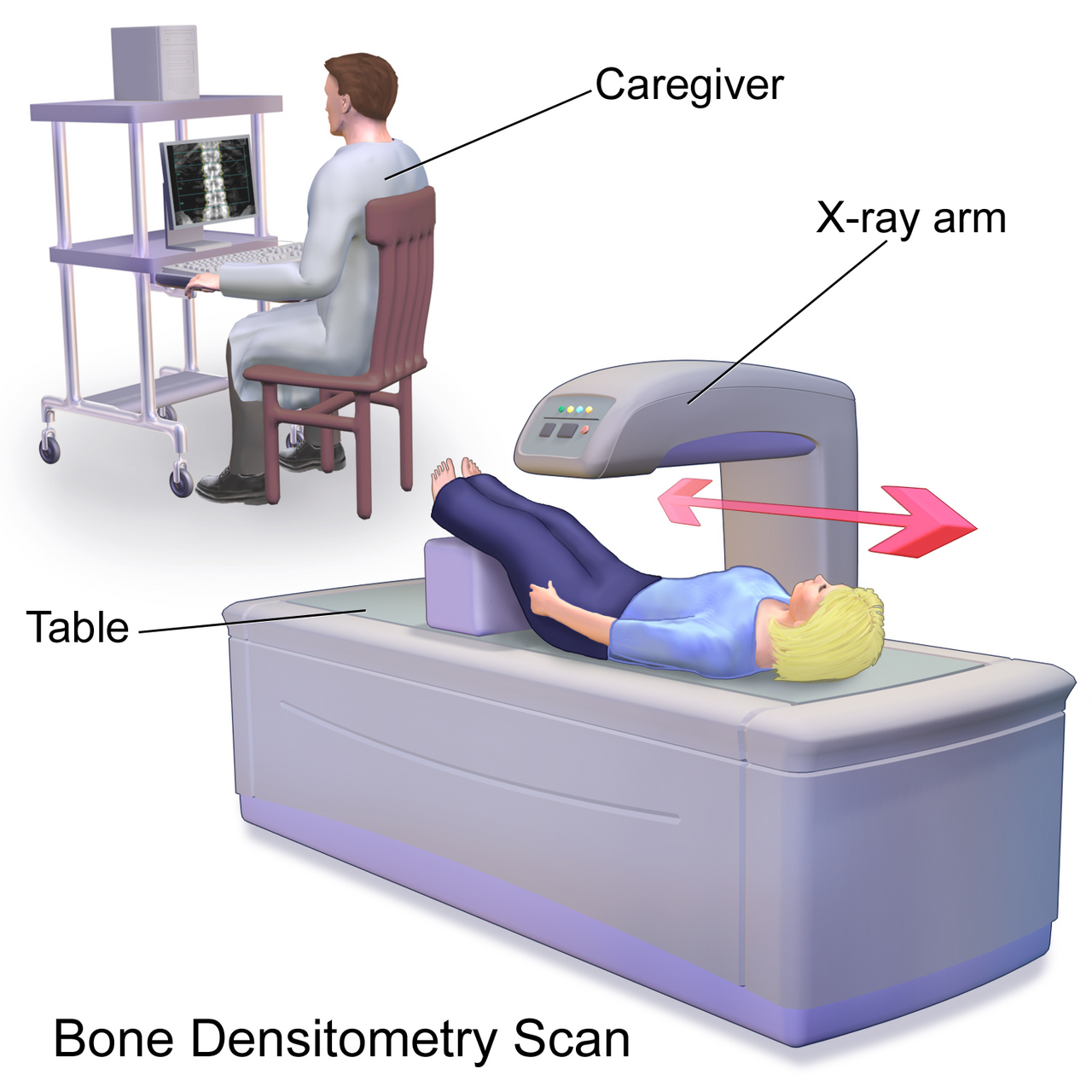
Low bone density occurs in roughly 3% to 30% of people with Crohn’s disease, according to UofM Health. Long-term use of corticosteroid medicines raises the risk further.
The NIDDK says this can lead to osteopenia or osteoporosis, which makes fractures more likely. Your doctor can check your bones with a simple scan.
7. Liver, Gallbladder, and Kidney Problems
UofM Health reports that liver and gallbladder problems affect 10% to 35% of people with Crohn’s disease. These include gallstones and inflammation of the bile ducts, called sclerosing cholangitis.
Kidney stones are also linked to Crohn’s disease. Sudden, severe pain in your side or back is a reason to get checked.
Crohn’s Disease Effects at a Glance
| Body area | What can happen | How common |
|---|---|---|
| Joints | Arthritis, joint pain and swelling | About 5% to 20% |
| Skin | Red tender bumps, ulcers | About 10% to 20% |
| Eyes | Uveitis, red and painful eyes | Up to 11% |
| Liver and gallbladder | Gallstones, bile duct inflammation | 10% to 35% |
| Bones | Low bone density, fractures | About 3% to 30% |
| Blood | Iron or B-12 deficiency anemia | Common, varies by person |
The percentages come from UofM Health. They vary between studies, so treat them as rough guides.
How Crohn’s Disease Affects Your Body in Children
Children and teens can have these same problems, plus a few more. The NIDDK says kids with Crohn’s may gain weight more slowly, grow more slowly, be shorter than expected, or have delayed puberty.
If your child has ongoing belly pain, diarrhea, or poor growth, ask the pediatrician about testing. Early care helps protect growth.
How Doctors Check for Crohn’s Disease
There is no single test. The NIDDK explains that doctors use a mix of tools:
- Blood tests to look for anemia and signs of inflammation
- Stool tests for inflammation and certain infections
- Endoscopy or colonoscopy, which the NIDDK calls the most accurate way to diagnose Crohn’s
- Imaging such as CT scans or MRI
At Priority Emergency Center, our onsite lab and diagnostic imaging help us start the workup quickly when severe symptoms bring you in. A full diagnosis and long-term plan usually come from a gastroenterologist.
When Crohn’s Disease Needs Emergency Care
Most flares can be handled with your regular doctor. Some situations cannot wait. The NIDDK warns that a blocked intestine can be life-threatening, and the Mayo Clinic says abscesses from fistulas can be life-threatening if not treated.
Go to an emergency room if you have:
- Severe belly pain that does not ease, especially with repeated vomiting
- Fever along with belly pain
- Heavy or ongoing blood in your stool
- Signs of dehydration, such as dizziness, very dark urine, or being unable to keep fluids down
- Pain, swelling, or drainage near the anus with fever
Not sure whether it is serious? Our guides on abdominal pain in the ER and stomach ache or emergency can help, and you can read how an ER differs from urgent care. If dehydration is part of the picture, IV hydration may be one of the treatments.
Smart Steps When Crohn’s Disease Affects Your Body
These steps do not replace medical care, but they are backed by what the Mayo Clinic and NIDDK report:
- Do not smoke. The Mayo Clinic says smoking leads to more severe disease and a higher chance of surgery.
- Talk to your doctor before using NSAIDs such as ibuprofen, which can worsen bowel inflammation.
- Ask about bone, eye, and blood checks, not only gut checks.
- Ask about colon cancer screening. It usually starts 8 to 10 years after diagnosis.
- Keep taking your medicines, even when you feel well.
Frequently Asked Questions
Can Crohn’s disease affect other parts of the body besides the gut?
Yes. Crohn’s disease can affect the joints, skin, eyes, mouth, liver, gallbladder, kidneys, bones, and blood. These are called problems outside the digestive tract.
What are the first signs of Crohn’s disease?
The most common signs are diarrhea, belly pain and cramping, and weight loss. Fatigue, fever, mouth sores, and blood in the stool are also common.
Is Crohn’s disease an emergency?
Crohn’s disease itself is a long-term condition, but flares can cause emergencies such as a blocked bowel, heavy bleeding, an abscess, or severe dehydration. Those need hospital care right away.
Does Crohn’s disease cause fatigue?
Yes. Fatigue is a common symptom, and anemia from low iron or low vitamin B-12 can make it worse.
Who is most likely to get Crohn’s disease?
The NIDDK says risk is higher for people aged 20 to 29, people with a family member who has inflammatory bowel disease, people of Jewish descent, and smokers.
Get Help Any Time at Priority Emergency Center
If your symptoms feel severe or are getting worse, do not wait. Our team is open 24 hours a day, 7 days a week at 3563 Far West Blvd, Suite 110, Austin, TX 78731. See our location or call (737) 423-2300.
This article is for general information and is not medical advice. If you think you are having an emergency, call 911 or come to the ER now.